Experience the heart of Tanzania with authentic safari
Craving authentic Tanzania safari experiences that ditch crowded jeeps and scripted itineraries? When I chose African Safari Tanzania, I didn’t just want to spot the Big Five—I wanted to feel the land’s pulse through local guides who’d show me its soul. These aren’t generic tours; they’re partnerships funding schools, clinics, and conservation. Picture guides born under acacia trees sharing stories, while roads twist to reveal hidden wonders. What if your safari supported solar-powered camps, empowered Maasai women, and traded crowded viewpoints for sunrise chats with Hadzabe hunters in wild parks like Katavi? This is Tanzania unplugged.
Why I chose a different path for my Tanzanian adventure
Let me take you back to the moment I realized my dream safari couldn’t be a tick-list activity. I’d seen the glossy brochures promising a “once-in-a-lifetime” experience. Spoiler alert: they all looked identical. Jeeps packed with tourists, cookie-cutter itineraries, and “authentic” village visits that felt more staged than a school play. Yawn, right? I wanted to feel Tanzania, not just photograph it.
Here’s the thing: chasing the Big Five felt like joining a wildlife paparazzi. Where was the soul? The stories? The chance to sip chai with people who’d watched the Serengeti change for decades? That’s when I stumbled upon African Safari Tanzania—a locally-owned company run by guides who’d grown up under baobab trees, not guidebooks.
Let’s talk real talk: local guides fluent in Swahili, English, and sometimes French or Hindi? Game-changer. These weren’t folks reading animal tracks; they were storytellers decoding the land’s secrets. Plus, knowing my trip supported schools like Bondeni (no generic “community projects” here) made every sunrise feel purposeful. No mass tourism clichés allowed.
Still skeptical? Ask me how a balloon safari with a thermos of coffee and a Maasai elder’s laughter around a campfire made me fall for Tanzania twice. Ready to swap tourist traps for real moments? Buckle up—this story’s just getting started.
The game-changer: why your guide is more than just a driver
Let me tell you about the moment my guide changed my safari forever. In the Serengeti, Juma suddenly stopped, whispered, “Listen.” I heard nothing. Ten meters ahead, a leopard emerged—silent, majestic. Without his trained ear, I’d have missed it. That’s the magic of African Safari Tanzania’s official local guides.
These aren’t drivers reading scripts. They’re storytellers, wildlife experts, and cultural ambassadors. Juma spotted a thumbnail-sized chameleon on a branch—something I’d never have seen. He shared how his grandmother wove baskets from the same tree’s leaves, making the landscape come alive with stories.
Fluent in English, Swahili, French, and Spanish, guides erase language barriers. In a Maasai village, Juma translated not just words but context. He explained their jumping dance, then whispered, “Ask about their favorite stars.” Turns out, they navigate by constellations like “The Saucepan” and “The Lion’s Tail.”
Deep cultural connection: Teach proper greetings, explain why cows are sacred, and avoid unintentional insults.
Unmatched wildlife spotting: Spot serval ears in tall grass or a leopard’s hidden tree perch—skills honed since childhood.
Flexibility and problem-solving: When we hit a flooded road, Juma rerouted us to a hidden watering hole where elephants bathed—a detour that became my most unforgettable moment.
Genuine storytelling: Share family legends, explain how baobabs “drink” rain, and laugh when you mispronounce Swahili words.
Need proof? My friend booked a generic tour and waited hours for a lion to “perform.” Meanwhile, I was sipping chai with Hadzabe hunters who taught me to shoot an arrow. That’s the difference between watching Africa and living it. Your guide isn’t just a driver—they’re your bridge to a Tanzania tourists rarely see.
Your safari, your rules: escaping the one-size-fits-all trip
Let’s be honest: when you picture Tanzania, do you see yourself crammed into a safari van with strangers? Me neither. That’s why I adore African Safari Tanzania. They don’t sell trips—they design journeys around your obsessions, not generic itineraries.
Forget rigid plans. Picture tracking elephants in Tarangire because your partner’s a wildlife photographer. Swap group tours for a private hot-air balloon ride over the Serengeti at sunrise, followed by a champagne breakfast interrupted only by wildebeest herds. This is travel shaped by your pulse.
Why pick between famous parks and secret spots? Blend the Serengeti’s Big Five with a trek through Katavi’s remote corners, where hippos outnumber tourists. Pair a Ngorongoro crater sunrise with a Maasai village visit led by a guide fluent in your language—no surface-level tours here, just stories only locals can share.
The African Safari Tanzania Difference
Feature
Standard “Package” Safari
Your Customized Journey
Itinerary
Fixed, follows the crowds
Flexible, based on your interests
Pace
Rushed, strict schedule
Relaxed, you decide the pace
Experiences
Generic viewpoints, tourist traps
Unique encounters, hidden gems
Accommodation
Predetermined, often large lodges
Hand-picked to match your style and budget
Cultural Visits
Brief, superficial stop
Deep, respectful immersion
Worried about costs? Customizing doesn’t mean splurging. Understanding safari pricing helps balance luxury with authenticity. Five days chasing the Great Migration and two kayaking Lake Victoria? Easy. A 14-day dive into Hadzabe traditions and Ruaha’s elephants? Your local guide’s already plotting it.
This goes beyond comfort—it’s ethical Your guide, raised near the Serengeti and fluent in multiple languages, funnels tourism funds into schools like Bondeni. No drive-by tours here. Share meals with Datoga elders. Learn Maasai lion-tracking secrets. Because the best stories? They’re yours alone.
More than a visit: How to truly and respectfully connect with Tanzanian tribes
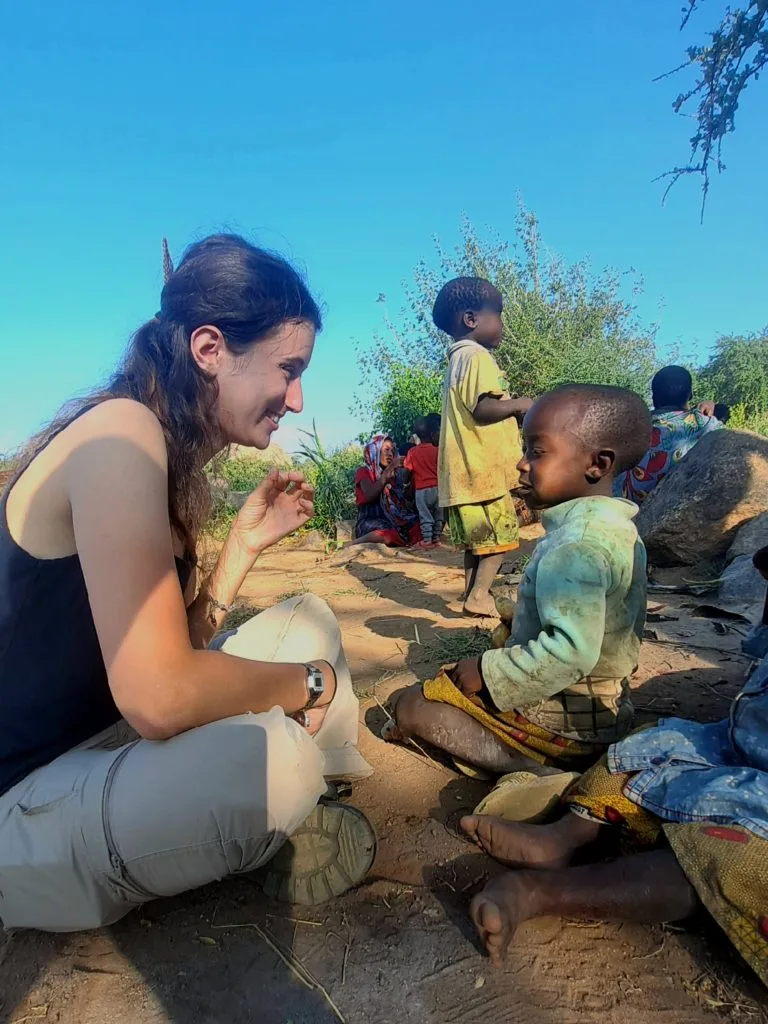
“Will I be a guest or a spectator?” I wondered before my first tribal visit. With African Safari Tanzania, the answer became clear: connection, not voyeurism. My journey with the Hadzabe tribe transformed into a masterclass in ethical immersion, far from the staged performances I’d feared. This was a living culture, not a museum exhibit.
Tribal visits often border on “human zoos.” African Safari Tanzania rewrites the script. Their immersive journeys revolve around sharing, learning, and genuine exchange. “This isn’t a show,” my guide James emphasized. “You’re stepping into a living culture.” We met the Hadzabe, one of the last hunter-gatherer tribes, with this ethos. James shared how their bond with nature informs daily survival—no gadgets, just intuition and ancestral knowledge.
The guide who made the difference
James, fluent in Swahili, English, and the Hadzabe dialect, was more than a translator—he was a cultural bridge. He explained why questions about their history felt intrusive, how to greet elders with a slight bow, and why we’d wait for permission to capture moments. Without him, we’d have missed nuances like their unspoken rules about sharing food or how they track animals by reading soil patterns. His insights turned a visit into a mutual exchange.
An invitation, not a tourist trap
Our day with the Hadzabe felt authentic. We foraged wild fruits, tracked animals, and watched them craft bows from baobab branches. No forced smiles, no awkward photo ops—just shared moments. An elder chuckled at my clumsy fire-starting attempts. “Laughter,” he said, “is universal.” That afternoon, we didn’t just observe their culture—we became part of it, briefly.
Always ask for permission before taking photos. A person is not a landscape.
Travel with a trusted local guide. They ensure the visit benefits both sides.
Avoid giving money or sweets directly, especially to children. Support official projects instead.
Show genuine interest. Ask questions (via your guide), listen, and engage.
Hidden gems: Lake Eyasi and the tribe life experience
For deeper immersion, Lake Eyasi hosts the Hadzabe and Datoga. African Safari Tanzania’s Tribe Life Experience includes stays in Datoga homes. There, women shape clay pots; men forge tools from iron—a craft unchanged for centuries. One elder taught me to bead a bracelet while sharing stories of their nomadic past. Their daily rhythm, from milking goats to crafting fire, felt like a living history lesson.
This isn’t a tour—it’s a window into humanity’s oldest ways. Every visit supports communities directly, funding projects like Hadzabe preservation. Ready to connect—not just visit? Let’s go beyond the safari jeep and into the heart of Tanzania.
Leaving a positive footprint: The heart of ethical tourism
When I first set foot in Tanzania, I knew I wanted more than just a checklist safari. I wanted my journey to spark joy, not exploitation. That’s why partnering with African Safari Tanzania felt like the ultimate cheat code: every dollar I spent became a lifeline for communities, a shield for wildlife, and a boost for guides who know these lands like the back of their hands.
Let’s talk numbers—because who doesn’t love a good ROI… for good? Their philosophy isn’t just fluff. Picture this: 80% of your payments flow directly into local pockets, funding schools like Bondeni School or solar-powered camps that hum with clean energy. No sketchy middlemen, no empty promises—just tangible impact.
Economic support: Your travel funds directly benefit local families, not faceless corporations.
Environmental conservation: Partnering with camps like Mysigio (100% solar-powered!) to keep Tanzania’s wild heart beating.
Fair employment: KPAP-certified treks where porters earn fair wages—no more “tip-or-starve” drama.
Wildlife protection: Strict no-go zones for harassing animals. Spoiler: A lion’s nap time isn’t your photo op.
Here’s the kicker: ethical tourism isn’t just about avoiding harm—it’s about amplifying good. When you trek with a Maasai guide fluent in Swahili, English, and sarcasm (okay, maybe not sarcasm—but they’ll laugh at your “pole pole” attempts!), you’re not just checking off a bucket list. You’re preserving traditions and paying salaries that let kids dream bigger than “maybe a goat one day.”
And those rare moments sipping chai under acacia trees while your guide shares ancestral stories? That’s the magic of itineraries crafted by humans, not spreadsheets. No cookie-cutter packages here—just safaris that feel like a warm hug for Tanzania’s soul.
Your authentic tanzanian story is waiting to be written
Let’s cut to the chase: this isn’t just another cookie-cutter safari. With African Safari Tanzania, every detail connects you to the land and its people—no generic tours, just raw, unforgettable moments.
Imagine a Serengeti-born guide fluent in English and Swahili, sharing why a baobab tree is a “village library.” Or a Maasai elder welcoming you as family, not a tourist. Local expertise turns fleeting sightings into living stories mainstream tours miss.
Your adventure defies templates. Chase the Great Migration at dawn? Share sunset stories with Hadzabe hunters? Sunrise balloon safaris followed by visits to your guide’s childhood village? Done. No mass tourism—just your narrative, not a brochure.
Ask those who’ve watched leopards stalk prey while sipping Swahili-brewed coffee. Or families dancing with Maasai kids, guides translating laughter over sunset cocktails. These aren’t vacations—they’re chapters in your personal epic.
Ready to stop scrolling through others’ adventures? Connect with Tanzania’s heart and start crafting your story. Golden sunsets and genuine handshakes wait for no one. Contact them today—your African chapter begins with one click.
This isn’t just a safari—it’s a passport to Tanzania’s soul. With local guides who turn dust tracks into stories, itineraries as flexible as a baobab’s roots, and a commitment to leaving footprints that heal, not harm, your journey becomes a bridge between worlds. Ready to swap “been there” for “belonged there”? Your story starts now !
To provide the best experiences, we use technologies like cookies to store and/or access device information. Consenting to these technologies will allow us to process data such as browsing behavior or unique IDs on this site. Not consenting or withdrawing consent, may adversely affect certain features and functions.
Functional
Always active
The technical storage or access is strictly necessary for the legitimate purpose of enabling the use of a specific service explicitly requested by the subscriber or user, or for the sole purpose of carrying out the transmission of a communication over an electronic communications network.
Preferences
The technical storage or access is necessary for the legitimate purpose of storing preferences that are not requested by the subscriber or user.
Statistics
The technical storage or access that is used exclusively for statistical purposes.The technical storage or access that is used exclusively for anonymous statistical purposes. Without a subpoena, voluntary compliance on the part of your Internet Service Provider, or additional records from a third party, information stored or retrieved for this purpose alone cannot usually be used to identify you.
Marketing
The technical storage or access is required to create user profiles to send advertising, or to track the user on a website or across several websites for similar marketing purposes.