Tanzania safari cost: budget to luxury options explained
Ever wondered if a Tanzania safari matches your budget? From camping under acacia trees to lavish lodges, tanzania safari cost ranges from $250/day (budget) to $1,500+/day (luxury). Whether tracking wildebeest on a budget safari in Tanzania or savoring bush breakfasts on a luxury safari, your choices shape cost and purpose. Seasons, accommodations, and group sizes shape expenses—while supporting conservation and communities like the Maasai and Hadzabe. Picture sharing stories with tribes or hearing a lion’s roar in the Serengeti. This isn’t just a trip—it’s a blend of wonder and impact. Ready to plan your journey?
Thinking about a safari in Tanzania? It’s a dream that fills your mind with images of golden savannahs and elephants walking under acacia trees. But let’s tackle the question on every traveler’s mind: what will it cost? The answer? It depends on your choices.
You’re not just buying a trip—you’re crafting an experience. A budget safari in Tanzania starts at $250/day for shared camping tours. Mid-range options range from $450–$600/day, blending comfort and adventure. For those craving indulgence, luxury safaris begin at $600/day and soar to $1,500+/day. These aren’t just numbers—they’re doorways to different ways of experiencing Africa’s wild heart.
Why such a wide gap? Four factors shape your Tanzania safari cost:
Season: High season (June–October) prices jump 20–50%. Visit during green season (March/May) for savings
Accommodation: From $20/night budget lodges to $3,000+/night private suites with infinity pools overlooking the Serengeti
Park fees: Entry to Ngorongoro Crater costs $70.80/person + $295/vehicle. T
Group size: Solo travelers pay twice more per person for transport. Two travelers save $125/person/day on shared transport
Booking directly with local Tanzanian operators will allow you to save 20% to 300% compared to international agencies. We don’t advice you to drive yourself for safety and hidden costs reasons. We don’t advice you to drive yourself for safety and hidden costs reasons.
Ready to break down these options? Let’s explore how to build your dream safari without breaking the bank—or missing the magic.
What factors influence your Tanzania safari cost?
Planning a Tanzania safari feels like crafting a custom adventure. Each choice shapes your budget, from where you sleep to when you travel. Let’s break down the levers that control costs while ensuring an unforgettable experience.
Accommodation: from basic camping to luxury lodges
hWere you sleep each night is the biggest factor in your safari budget.
Budget: Basic camping outside the parks runs about $20–$100 per night
Mid-range: Tented camps offer the best of both worlds—canvas walls with real beds and en-suite bathrooms, often right inside the parks for unbeatable wildlife access
Luxury: High-end lodges start at $300+ per night, with hot showers, gourmet meals, and stunning views.
You can choose accomodations inside national parks for convenience but it will have extra costs of 20–40% compared to nearby options.
Time of year: the impact of seasons
During green season (march to may), you will be happy to meet less tourists and have less traffic on the road. During high season (june to october) you will face more premium rates due to perfect weather and peak wildlife viewing. the rest of the year offers sweet spots: fewer tourists, lush landscapes, and savings of 12-15%. Pro tip: April’s short rains might mean dramatic sunsets and baby animals, but avoid heavy downpours by choosing mobile tented camps that relocate for optimal conditions.
Park entrance fees: a necessary investment
These government fees fund conservation efforts protecting Tanzania’s ecosystems. In Serengeti, the entrance fee is $70 per day for an adult (without VAT). For Ngorongoro Crater the fee are around $300 per vehicle and per day to which you will add entrance fee per person. These fees, that could seem high for foreigners tourists, ensure you are contributing to wildlife protection. Savy planners might prioritize parks with lower fees like Udzungwa Mountains ($25 per day).
Transportation
Most safaris use rugged 4x4s with pop-up roofs for game viewing. Shared vehicles reduce costs but limit flexibility. For remote parks like Selous, internal flights save time but can increase budgets. Consider hybrid itineraries – drive between Serengeti and Ngorongoro, fly to Ruaha – to balance adventure with practicality. Remember: flights mean less game drive time but more comfort for families or time-pressed travelers.
Group size: sharing the adventure (and the cost)
Splitting fixed costs like vehicle rentals and guides makes group travel cost-effective. A solo safari might top $1,500 per day, but adding a companion slashes expenses. Most vehicles can hold six passengers wich is ideal for families or groups. Solo travellers shouldn’t despair: joining small group tours of 8–10 people often results in mid-range prices without compromising on privacy. The lesson is that the more seats that are filled, the more savings there are per person, without compromising on sightings of lions or leaping antelopes.
Choice of tour operator: local experts vs. international agencies
Why pay 300% more? International agencies add layers of markups. Local operators like why choosing a local guide makes all the difference deliver authenticity and savings. Their guides know hidden trails where you’ll spot cheetahs before crowds arrive. Plus, your dollars directly support communities – some lodges train Maasai guides, creating generational change. This isn’t just budget-smart; it’s travel that matters.
Your safari style: a breakdown of budget, mid-range and luxury
Ready to picture your Tanzanian adventure? Let’s compare what each budget level delivers through real-world examples and practical insights. Spoiler: The differences go far beyond price tags. Whether you’re seeking raw authenticity or champagne sunrises, Tanzania’s safari spectrum caters to every traveler.
Feature
Budget Safari (~$250-$400/day)
Mid-Range Safari (~$450-$600/day)
Luxury Safari ($600-$1,500+/day)
Accommodation
Basic public campsites with shared facilities
Private tented camps or comfortable lodges
Exclusive designer lodges/camps with private pools
Food
Simple meals cooked at camp
Restaurant-style dining with variety
Gourmet cuisine, premium wines/spirits included
Vehicle
Shared/older private 4×4
Well-maintained private 4×4 with fridge & charging
Top-tier extended 4×4 with premium amenities
Guiding
Certified driver-guide
Experienced guide with specialized knowledge
Elite private guide (e.g., photography expert)
Overall Experience
Essentials-focused, group-based adventures
Perfect balance of comfort and prime wildlife access
Ultimate exclusivity with personalized itineraries
Imagine waking up in a shared campsite as the dawn chorus signals sunrise. That’s your budget safari in Tanzania. While you’ll share vehicles and facilities, this option delivers raw authenticity – think communal campfires under starry skies and guides teaching you to track hyena by pawprints. Perfect for adventurers prioritizing wildlife over Wi-Fi. These safaris often explore parks like Tarangire or Nyerere, where costs stay low yet wildlife thrives. Don’t forget extra layers for chilly morning drives in open 4x4s!
Want the “best of both worlds”? you can find mid-range safaris. You will sleep in private tents with bathrooms, enjoy chef-prepared meals beside acacia trees, and explore in well-maintained vehicles. This category dominates bookings because it balances comfort with unforgettable moments – like watching cheetah cubs play while sipping local coffee from a Thermos. Mid-range options often include Maasai village visits—learning beading traditions while supporting community projects. Family-friendly lodges may offer interconnecting tents, blending luxury with practicality.
For those craving “pinch-me” moments, luxury safari experiences deliver : sipping champagne during a hot-air balloon flight over the Serengeti or enjoying a gourmet bush breakfast prepared by your chef. Exclusive access to conservation areas means fewer vehicles and more intimate lion encounters. These safaris often include private Maasai storytelling sessions. Stay in private concessions with flexible itineraries—your guide might show you leopards climbing trees at dusk or elephants at remote waterholes. Some camps offer spa treatments under baobab trees, blending adventure with relaxation.
What’s not included? planning for additional costs
Even the most comprehensive safari packages in Tanzania leave room for unexpected expenses. Understanding these overlooked costs ensures your adventure stays within budget and stress-free. Let’s break down what to anticipate beyond your base safari price.
International flights: Round-trip tickets to Kilimanjaju (JRO) or Dar es Salaam (DAR) airports are not included. Prices range from $800 to $1,500 from North America or Europe
Tanzanian visa: Most travelers pay $50 for a single-entry visa. U.S. citizens need a $100 multiple-entry option. Don’t forget to apply online von Tanzania’s official e-Visa portal at least two weeks before departure to avoid long lines at the arrival airport
Tips & gratuities: Tips are part of the culture in Tanzania. they help support staff livelihoods. Usually tips are around $10 to $15 per person and per day for guides or drivers and $5 to $8 for camp staff. Use envelopes for discreet distribution at trip’s end to respect local customs.
Travel insurance: Essential for medical emergencies, cancellations or evacuation. Confirm coverage for high-risk activities like Kilimanjaro treks. A local insurance is mandatory for Zanzibar which you can buy at your arrival at the Zanzibar airport
Vaccinations & medications: Malaria prophylaxis and yellow fever vaccines are common. Check CDC guidelines for other recommended vaccines before departure, including typhoid or hepatitis A.
Souvenirs & personal spending: plan your budget. you can expect to pay $20 to $50 for local crafts like beadwork or paintings, often found at Arusha markets. Feel free to negotiate – aim for 30–50% off marked prices.
About tips : They are more than a gesture. Guides and camp staff often support extended families, making your contribution a meaningful act of responsible tourism. By budgeting wisely, you honor their expertise while ensuring a positive cultural exchange with groups like the Maasai or Hadzabe. Allocate 10–15% of your total budget to these essentials for a smooth, ethical journey.
How to get the best value: smart tips for every traveler
A Tanzania safari is more than an expense—it’s an investment in unforgettable memories, conservation, and local community support. Strategic choices can deliver rich cultural experiences and wildlife spectacles without overspending. Let’s explore key value-building strategies that align with Tanzania’s seasonal rhythms and ethical tourism principles.
Travel in the shoulder or green season: Visit Nov-May for up to 60% lower prices. Enjoy lush landscapes, fewer crowds, and baby animals during the Serengeti’s calving season (Jan-Feb) with dramatic predator sightings. Afternoon showers rarely disrupt game drives except in April-May.
Form a small group: Share costs with 3-6 travelers. Private safaris for two reduce per-person expenses by 40% versus solo travel. Shared camping starts at $250/day, mid-range group tours average $450/day.
Choose a local agency : Save 20 to 300% compared to international tour operators. Local experts like Kiliserengoro Tours provide insider access to eco-lodges and community partnerships.
Mix and match accommodation: Splurge on 2-3 nights at prime luxury camps (e.g., Singita Sasakwa Lodge) and balance with mid-range options like Lemala Ewanjan Tented Camp. This cuts costs by 25-35% while offering varied experiences.
Focus on fewerparks: Prioritize 2-3 iconic areas like Ngorongoro Crater and Tarangire instead of visiting too many parks. Fewer transitions save 30-50% on transport and entry fees, which make up 30% of total costs.
Family-friendly value strategies
Families benefit from steep discounts. Children under 5 often stay free, ages 5-12 pay 50% in lodges like Ngorongoro Serena. Mobile camps like Olakira Migration Camp ($920/night) suit multi-generational groups. For tailored planning, consult our guide to planning a family safari in Tanzania for vetted itineraries, including kid-friendly ranger programs and cultural visits.
Book 12-18 months ahead for peak seasons or secure last-minute April-May green season deals—parks like Ruaha offer 40% lower rates. Ask about all-inclusive packages bundling fees, meals, and cultural visits, supporting local guides and conservation efforts efficiently.
The Cost Of unforgettable experiences: special activities
Some safari moments become legends – the ones that make you laugh, marvel, or feel deeply connected. These optional adventures add magic to your journey. Let’s explore what makes each experience special.
Hot air balloon : The ultimate Serengeti view for $550 to $650 per person
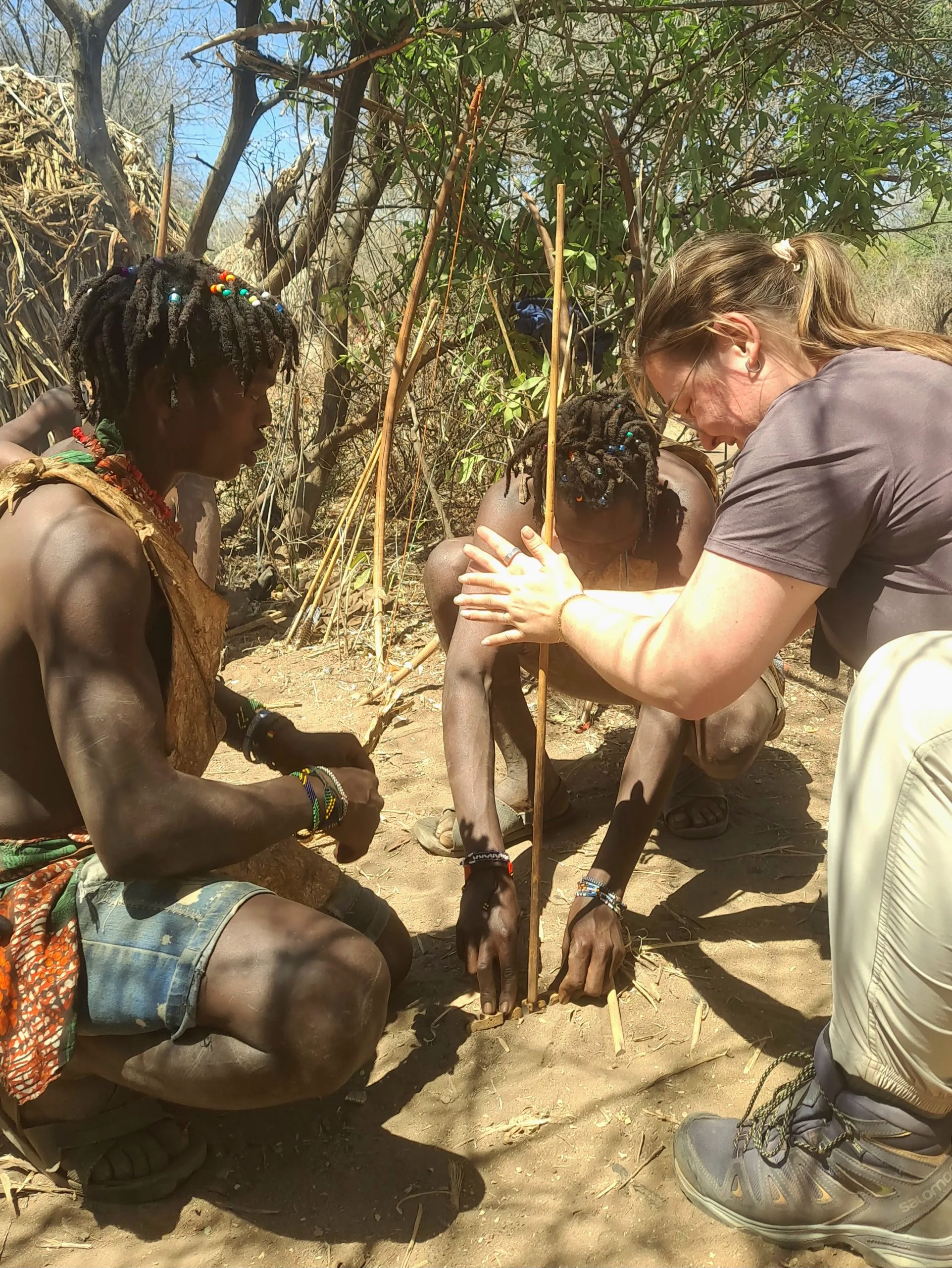
Cultural visits: Learn from communities like the Hadzabe for $40 to $150 per person
Walking safaris: Explore the wilderness with a ranger for $150 to $200 per day
Kilimanjaro climb: A pre- or post-safari challenge. $2,000 to $6,000
Cultural immersion: the Hadzabe exchange
Picture waking at dawn with the Hadzabe, Earth’s last hunter-gatherers. Watch how they read the land – spotting animal signs in broken twigs, following bees to hidden honey. During our Hadzabe experience, you’ll practice crafting bows, tasting wild tubers, and witness honeyguide communication. These living traditions aren’t performances – they’re millennia-old customs.
Costing $40–$150, these visits directly support families. Unlike quick photo stops, these exchanges honor the Hadzabe’s autonomy while offering rare insights. You’ll leave understanding why they call their home “the place where the sun sleeps.” As twilight falls, elders share stories around the fire, their voices weaving ancestral knowledge into the night.
Adventure beyond the jeep
Walking safaris ($150–$200/day) let you explore nature’s details – paw prints, crushed sage scent. Guided by experts, feel the ground vibrate as elephants emerge from the bush.
Kilimanjaro climbers ($2,000–$6,000) swap jeeps for crampons. The Rongai Route, less crowded than others, offers glacier views. Reaching the peak at sunrise, you’ll stand above the clouds, watching the plains stretch endlessly below. Every dollar funds local guides, ensuring your adventure supports communities.
These activities turn a good trip into a life chapter. Whether seeking quiet cultural moments or heart-pounding ascents, these experiences define Tanzania’s unique magic. Ready to choose yours?
Your Tanzanian dream is within reach
Planning a Tanzanian safari might feel overwhelming, but here’s the truth: the magic of this land is accessible at any budget. Whether you envision sleeping under starlit skies in a shared tent or sipping champagne at a private lodge overlooking the Serengeti, there’s a safari tailored to your vision. Shared camping safaris start at just $250 per day, while luxury escapes with personalized guides and gourmet meals can exceed $1,500 daily – but every option promises life-changing moments.
Think of the priceless memories you’ll gain: watching wildebeest brave crocodile-infested rivers during the Great Migration, sharing stories with Maasai warriors, or waking to the roar of a lion near your tent. These experiences aren’t just photos – they’re stories you’ll carry forever. And unlike luxury travel in Europe or North America, every dollar spent here supports conservation and local communities, making your journey meaningful beyond the moment.
Ready to find your perfect match? Explore our safari tours to see what’s possible. Whether you’re a solo adventurer, a couple seeking romance, or a family craving discovery, we’ll craft a journey that balances cost and wonder. The Serengeti’s endless plains, the Ngorongoro’s wildlife-rich crater, and Zanzibar’s turquoise waters await – all within reach when you plan wisely.
Your Tanzanian dream is within reach, no matter your budget. Let every dollar invest in wild encounters, cultural connections, and memories that outlast the journey. Ready to craft your story? your adventure begins here. Karibu Tanzania! 🌍✨
To provide the best experiences, we use technologies like cookies to store and/or access device information. Consenting to these technologies will allow us to process data such as browsing behavior or unique IDs on this site. Not consenting or withdrawing consent, may adversely affect certain features and functions.
Functional
Always active
The technical storage or access is strictly necessary for the legitimate purpose of enabling the use of a specific service explicitly requested by the subscriber or user, or for the sole purpose of carrying out the transmission of a communication over an electronic communications network.
Preferences
The technical storage or access is necessary for the legitimate purpose of storing preferences that are not requested by the subscriber or user.
Statistics
The technical storage or access that is used exclusively for statistical purposes.The technical storage or access that is used exclusively for anonymous statistical purposes. Without a subpoena, voluntary compliance on the part of your Internet Service Provider, or additional records from a third party, information stored or retrieved for this purpose alone cannot usually be used to identify you.
Marketing
The technical storage or access is required to create user profiles to send advertising, or to track the user on a website or across several websites for similar marketing purposes.