Big Five Safari in Tanzania: Serengeti & Ngorongoro
Ever dreamed of ticking off the Tanzania big five but felt overwhelmed by where to start? Let’s cut through the safari haze—this isn’t just a checklist; it’s a heart-pounding quest across the Serengeti’s endless plains and the Ngorongoro Crater’s Eden-like wilds. Picture tracking lions under acacia trees, whispering “Simba, there!” like a kid on your first wildlife safari Tanzania—trust me, the thrill never fades. Or the leopard’s ghostlike shadow in Tarangire’s baobab forests and Ngorongoro’s mist-cloaked rhino—a living legend. Ready to swap “I saw a zebra” for stories that’ll make your Instagram squad drool? Let’s dive in—your African adventure awaits.
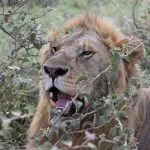
My first lion sighting in the Serengeti was magic. Dust, a whisper of “Simba,” and there he stood—regal and indifferent. Tanzania’s Serengeti and Ngorongoro aren’t just parks; they’re nature’s stage. Ready to chase legends? Let’s go.
Lions: Roaring through the Serengeti
Spot lions in Serengeti’s Seronera region, especially during the Great Migration. Dawn and dusk are prime. Listen for roars as prides hunt or rest.
Elephants: graceful giants of Tarangire
Tarangire’s dry-season swamps (June-October) host herds of 50+. Follow their rumbles to waterholes where they gather.
Leopards: silent shadows in Serengeti’s kopjes
Seek leopards in Serengeti granite kopjes, like Safina. Spot their golden coats blending into acacia branches.
Rhinoceros: rare giants in Ngorongoro’s arena
Ngorongoro’s crater holds Tanzania’s densest black rhinos. Search Lerai Forest at dawn—armored and elusive.
Buffaloes: black wall of power in the Serengeti
Watch herds of 500+ storm southern plains in dry season. Their horns symbolize survival in a wild world.
Conclusion: Chasing legends in Africa’s heart
Tanzania’s Big Five aren’t a checklist—they’re a journey. From sunsets to misty craters, each moment stays with you. Ready to write yours?
So, What exactly are the ‘Big Five’?
Let’s rewind to the 1800s—no, not for a snooze-fest. The “Big Five” wasn’t dreamed up by safari guides but by colonial hunters bragging about the deadliest animals to stalk on foot. Pro tip? It’s not about size—it’s about which critters could send you to the great beyond. Think of them as Africa’s original survival challenge.
Meet your targets: lion (apex predator with car-door-swiping claws), leopard (stealthy tree-vanishing ninja), African elephant (gentle giant with a “don’t test me” vibe), black rhino (armored grump with a hair-trigger temper), and Cape buffalo (savanna’s grumpy grandpa, charging first, asking questions later). Each earned their spot the hard way—imagine outrunning a 900kg buffalo that’s having a bad day.
Fast-forward to today: Our weapons are cameras, and trophies are Instagram stories. Spotting all five? That’s the safari jackpot—a wildlife bingo win. But fair warning: some, like the shadow-dwelling leopard, play hard to get. The Serengeti and Ngorongoro Crater? Your best lottery tickets. Pro tip: Early mornings in the Serengeti’s short-grass plains boost lion sightings—their golden coats blend like stealth bombers against the savanna.
Quick detour: These animals weren’t just hunted for trophies. In African cultures, lions symbolized protection—Zulu royalty even wore leopard skins as power bling. Now, they’re conservation icons. Let’s just say the rhino’s “critically endangered” label matters way more than 19th-century hunting bragging rights. Ready to chase them down? Let’s roll.
Up close and personal: a guide to spotting each of the Big Five
The lion: king of the Serengeti plains
There’s nothing quite like hearing a lion’s roar echo across the Serengeti at dusk. It’s a sound that sends shivers down your spine – primal, powerful, and utterly unforgettable. I remember one evening in Seronera, sitting silently in our 4×4, when the air suddenly vibrated with that unmistakable call. Moments later, a massive male emerged from the tall grass, his golden mane glowing in the fading light. The Serengeti’s open plains are lion central, especially around rocky outcrops called kopjes where prides lounge like sunbathing royalty.
For guaranteed sightings, head to the Serengeti’s central and western corridors. The Ngorongoro Crater also delivers regular lion encounters – imagine spotting a pride feasting on a recent kill, their cubs wrestling nearby. These social dynasties thrive in areas with good prey density, so keep your eyes peeled where wildebeest or zebra graze. Visit dry season (June–October) when grass is short, and track lion activity at dawn or dusk – that’s when they’re most active. Don’t miss Ndutu’s woodlands for dramatic territorial battles between rival prides.
The leopard: the elusive shadow
Leopards play hide-and-seek like no other Big Five member. I’ve spent hours scouring Serengeti’s sausage trees with my guide’s binoculars, scanning branches for that perfect camouflage. The trick? Trust your ranger’s eagle eyes – mine once spotted a leopard draped over a branch so seamlessly, it looked like a random clump of leaves. Seronera Valley’s woodlands are prime leopard real estate.
These solitary cats are nocturnal ninjas. Once, we tracked one at dawn as it dragged an impala carcass up a tree – a breakfast insurance policy against hyena theft. Your best bet? Visit dry season when sparse vegetation makes spotting easier, and prioritize early/mid-morning game drives when they’re most active. Pack binoculars! Spotting a leopard’s dappled coat against tree bark is like playing hide-and-seek with a master illusionist. Don’t overlook Lobo Valley’s acacia forests – they’re leopard hideouts.
The elephant: the gentle giant of Tarangire
Tarangire National Park turns elephants into daily companions. During dry season, hundreds congregate along the Tarangire River – I once watched a matriarch lead her herd through dust clouds, their trunks swaying like synchronized metronomes. These brainiacs have 3x bigger brains than humans! They’re social architects too, with aunties babysitting calves while the group marches on.
Serengeti’s woodlands and Ngorongoro’s forest edges also host smaller groups. But Tarangire’s baobab-studded landscapes remain elephant HQ. Visit June-October when water sources shrink – the riverbanks become a wildlife magnet. Watch for herds using their trunks to trumpet warnings or comfort stressed calves. Did you know? They “hear” vibrations through their feet, communicating over 10km – nature’s own Wi-Fi network.
The black rhino: the critically endangered treasure
Stumbling upon a black rhino in Ngorongoro felt like winning the safari lottery. Only 212 remain in Tanzania, all under 24/7 ranger guard in the crater. This ancient creature – unchanged for millennia – moves like armored artillery. I’ll never forget watching one charge a termite mound in a dust-clouded tantrum, pure prehistoric energy. Their hooked lips grip thorny shrubs with precision, a survival trait in Ngorongoro’s bushy terrain.
Ngorongoro’s short-grass plains are your only realistic shot. Unlike their white rhino cousins, black rhinos thrive in dense bush. But Tanzania’s conservation efforts mean this crater’s ‘living fossils’ are your best chance to witness these critically endangered giants. Rangers even use GPS collars to protect them from poachers – every sighting feels like touching history.
The Cape buffalo: the formidable ‘gangster’ of the bush
Never underestimate the Cape buffalo – they’re the savanna’s grumpy old man with a short fuse. I learned this watching a solitary “dagga boy” wallow in mud near Serengeti’s Mara River. These battle-scarred retirees are exiled from bachelor groups for being too moody. Their secret? Mud spa treatments for sun protection and tick control – nature’s skincare routine!
Massive herds thunder across Serengeti’s grasslands, but watch for lone dagga boys near waterholes. They’re unpredictable – one moment napping, next charging without warning. Tarangire’s dry season swamps and Ngorongoro’s marshes also host regular buffalo armies. Respect their space, and you’ll witness Africa’s ultimate herd survivalists in action. Stay downwind! They have a 300° field of vision and zero tolerance for intruders – approach carefully.
Where are the best places for a Tanzania Big Five safari?
Serengeti National Park: the endless plains
I still remember my first sunrise in the Serengeti—golden light stretching forever over grasslands teeming with life. This 14,750 km² park is legendary for the Great Migration, where 1.5 million wildebeest thunder across the plains. But did you know it’s also prime real estate for spotting four of the Big Five? Lions nap lazily on kopjes, elephants roam in herds near the Grumeti River, and buffalo gather around waterholes. Leopards are trickier, but keep your eyes peeled in the acacia woodlands. Just don’t expect rhinos here—they’re like the park’s elusive ghost, with only occasional sightings. Trust me, if you’re chasing the Big Five, the Serengeti delivers drama but leaves you thirsting for that final trophy.
Planning a Serengeti safari means choosing the right season: June-August for river crossings, April-May for central grasslands. Pro tip: Ask rangers about recent rhino spottings near Lobo Valley—they’re rare but not impossible! For elephants, head to Bologonja Springs where they congregate around waterholes.
Ngorongoro Crater: a real-life garden of Eden
Imagine descending 610 meters into a 260 km² natural amphitheater teeming with 25,000 animals. That’s the Ngorongoro Conservation Area, a UNESCO site where you’ll feel like Noah in an ark. This collapsed volcano’s enclosed ecosystem concentrates wildlife like nowhere else—lions laze near hippo-filled swamps, black rhinos patrol the Lerai Forest fringes, and elephants dust-bathe near Lake Magadi. I once counted 12 lions in a single morning game drive here! The crater rim’s lodges offer twilight views while you strategize tomorrow’s hunt for that final Big Five member.
Still undecided? Let’s break it down with my favorite safari planner: a comparison table! Remember, each park has its superpower—think of it as choosing between a blockbuster movie and a boutique theater experience.
Park
Lion
Leopard
Elephant
Rhino
Buffalo
Best for…
Serengeti
Excellent
Good
Excellent
Rare
Excellent
Vast landscapes & the Great Migration
Ngorongoro
Excellent
Good
Good
Excellent
Excellent
Seeing all five in a short time
Tarangire
Good
Fair
Excellent
Very Rare
Excellent
Massive elephant herds
From personal experience, combine all three parks for maximum impact. Start with Tarangire’s elephant superhighway (those tuskers near Silale Swamp are epic), chase the Great Migration in Serengeti, then bag your rhino in Ngorongoro. Warning: this formula might ruin you for “regular” safaris forever!
Is seeing all Tanzania Big Five guaranteed? a reality check and my top tips
Let me tell you straight: spotting all five isn’t a sure thing. But that’s what makes it thrilling! I once spent three days in the Serengeti chasing leopards before spotting one lounging in a baobab at sunset. Magic? Absolutely. Guaranteed? No way.
Think of it like a wildlife treasure hunt. Your odds depend on timing, parks visited, and your guide’s eagle eyes. Want to stack the deck in your favor? I’ve got the insider hacks.
Go for longer: Three days? You’re just scratching the surface. Seven days or more lets you chase shadows in Seronera for leopards or wait patiently near Ndutu’s lion prides.
Combine parks: Serengeti and Ngorongoro’s “Garden of Eden” crater make the ultimate combo. Serengeti’s short-grass plains are prime lion territory, while Ngorongoro’s slopes hide rhinos like rare jewels.
Trust your guide: My guide once spotted a rhino’s silhouette in Ngorongoro by tracking oxpeckers. Pros track animals like human GPS, radioing guides for real-time intel.
Time it right: Dry season (June-October) is prime time—elephants crowd Tarangire’s riverbanks, while buffalos mass near Serengeti’s Grumeti River. January-February’s calving season? Lions and hyenas go full drama mode in Ndutu.
Bring your A-game: Pack binoculars (trust me, your naked eye won’t spot that leopard in a sausage tree). Speaking of gear, check a Tanzania safari packing list—UV rays can destroy camera lenses without proper protection!
Pro tip? Rise before dawn. I once watched rhinos emerge from Ngorongoro’s mist at 6 AM, their horns glowing gold. That’s when predators strike. Patience pays off—like the time I stared at a dusty trail for an hour… only to see a leopard drag an impala into a tree. Total. Adrenaline. Rush.
Still worried? Remember: even if you miss one, you’ll spot zebras at watering holes or wildebeest leaping across crocodile-infested rivers. Tanzania’s wild heart beats in a million ways—Big Five or not, you’ll leave spellbound.
Wait, what about the Big 7 or the Ugly 5?
Let me let you in on a secret: safari guides in Tanzania love to play with numbers. While the Big Five might be your main goal, locals and travelers alike have cooked up even more creative lists. Think of it as the “bonus features” of a wildlife adventure!
Here’s the scoop on the most popular spin-offs:
The Big Seven: Craving more drama? Some guides add the lightning-fast cheetah and the highly social African wild dog to the mix. Spotting these two alongside the classic Big Five? That’s like hitting safari bingo!
The Shy Five: For the patient (and slightly obsessive) among us. This crew includes the porcupine, aardvark, bat-eared fox, aardwolf, and meerkat. Warning: Seeing all five might require night drives, a thermos of coffee, and a guide who’s part detective.
The Ugly Five: Don’t let the name fool you—this list celebrates underdogs. Meet the hyena (laughing like a maniac), wildebeest (built by committee), vulture (nature’s cleanup crew), warthog (mud spa enthusiast), and marabou stork (the grumpy old man of the savanna).
Honestly, I’ve lost count of how many lists exist. But here’s the truth: whether it’s a stealthy leopard or a warthog charging through dust clouds, every sighting feels magical. After all, isn’t that what makes Tanzania unforgettable? The moment you realize even the “ugly” critters have their own weird charm?
Now, ready to chase the real Big Five? Let’s dive into where to find them!
Your own Big Five safari adventure awaits
Chasing the Big Five in Tanzania isn’t about ticking boxes. It’s the rush of spotting a leopard draped over a Serengeti branch at golden hour, or the gasp when a rhino appears in Ngorongoro Crater. These moments aren’t just sightings—they’re etched into your soul. I left a piece of my heart in the Serengeti, and you will too.
Tanzania’s magic blends wildlife with raw landscapes. Picture the savannah’s pink sunset, elephants rumbling nearby, or a lion’s roar under starlit skies. The Serengeti’s plains and Ngorongoro’s “Garden of Eden” merge wild beauty with intimacy. You’re not a spectator—you’re part of a living ecosystem where every game drive feels like a David Attenborough documentary.
Here’s the secret: the magic lives in details. Guides track buffalo herds at dawn. Camps let you sip tea as the bush wakes. Even the rare quiet between wildebeest migration chaos becomes a story. The wild is ready. Are you? “My heart still pounds remembering the Serengeti. Chasing the Tanzania Big Five isn’t about ticking boxes—it’s raw beauty, wild symphony, stories in every sunset. Pack binoculars and wonder. Your Tanzanian adventure is a soul-igniting epic. Let the savanna whisper your name.”
To provide the best experiences, we use technologies like cookies to store and/or access device information. Consenting to these technologies will allow us to process data such as browsing behavior or unique IDs on this site. Not consenting or withdrawing consent, may adversely affect certain features and functions.
Functional
Always active
The technical storage or access is strictly necessary for the legitimate purpose of enabling the use of a specific service explicitly requested by the subscriber or user, or for the sole purpose of carrying out the transmission of a communication over an electronic communications network.
Preferences
The technical storage or access is necessary for the legitimate purpose of storing preferences that are not requested by the subscriber or user.
Statistics
The technical storage or access that is used exclusively for statistical purposes.The technical storage or access that is used exclusively for anonymous statistical purposes. Without a subpoena, voluntary compliance on the part of your Internet Service Provider, or additional records from a third party, information stored or retrieved for this purpose alone cannot usually be used to identify you.
Marketing
The technical storage or access is required to create user profiles to send advertising, or to track the user on a website or across several websites for similar marketing purposes.