Lake Manyara: Rift Valley Climbing Lions &Flamingo Paradise
Ever wondered if Lake Manyara Tanzania is just another safari stop? Think again! Hidden in the Great Rift Valley, this UNESCO Biosphere Reserve packs tree-climbing lions, neon-pink flamingo lakes, and rainforest hikes into one compact wonder on the Northern Safari Circuit. Imagine spotting elephants in emerald forests, then watching hippos wallow by the lake—all in a single day! With fewer crowds, canoe safaris skimming waterfowl flocks, and treetop walks above mischievous monkeys, it’s a microcosm of Tanzania’s wild soul. Spoiler: it’s where Tanzania’s wild heart beats loudest in its smallest park—and trust me, those lions really know how to climb!
Welcome to Lake Manyara: A jewel of the great rift valley
I’ll never forget my first glimpse of Lake Manyara. You leave Mto wa Mbu, pass through the gates, and suddenly you’re in an otherworldly jungle. Birdsong fills the air, the Great Rift Valley cliffs loom above, and—yes—a lion lounges lazily in a tree. Welcome to Tanzania’s hidden gem!
Nestled in the Great Rift Valley, Lake Manyara National Park is a gateway to the Northern Safari Circuit. Don’t let its 330 km² fool you. This UNESCO Biosphere Reserve (since 1981) packs blockbuster ecosystems: alkaline lakes, baobab forests, and savannahs teeming with life. It’s not just a pit stop—it’s a highlight reel.
Why visit? Let’s talk tree-climbing lions. These rare big cats defy expectations, perching on acacia branches to dodge insects or scout prey. And the lake? In wet seasons, it transforms into a pink canvas of flamingos—up to 2 million at once. Picture a sea of pink, the sky blushing in harmony.
But here’s the kicker: this park is a biodiversity cheat code. Spot elephants, baboons, dik-diks, and over 400 bird species—from pelicans to kingfishers—in one day. Plus, the Rift Valley views? Breathtaking. So, what makes this little park so special? Let’s just say, Lake Manyara doesn’t just surprise—it stuns. Ready to dive deeper? 🌿
Why Manyara is a must-see on your Tanzanian safari
A park of incredible contrasts
What if I told you that in one of Tanzania’s smallest parks, you can experience a kaleidoscope of ecosystems? Lake Manyara National Park is a patchwork of tropical rainforest, open grasslands, and the shimmering alkaline lake that gives the park its name. The dramatic Rift Escarpment towers over the landscape, while ancient baobabs stand as silent sentinels. This diversity explains why I’ve seen more wildlife here in a single day than in some larger parks. The Groundwater Forest near the entrance feels like a jungle, with monkeys overhead and birds flitting between branches. A short drive away, acacia woodlands host zebra and wildebeest, while the lake’s shifting water levels create dynamic habitats for hippos and birds.
The legendary tree-climbing lions (and why they do it)
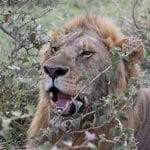
Let me let you in on a secret: Lake Manyara is one of the few places where you might spot tree-climbing lions. These aren’t your typical savannah lions—they’re often found perched on acacia branches. Scientists debate whether they climb to escape heat, flies, or for the view, but seeing a lion 10 meters up a tree is pure magic. Just don’t expect guaranteed sightings—they’re as elusive as they are fascinating. If you’re lucky, you might catch one dangling its paws while elephants pass below.
An intimate and accessible safari experience
Here’s the thing about Manyara: it’s quieter than its famous neighbors. While Tarangire National Park is where elephants reign supreme and the Ngorongoro Crater offers a self-contained world of wildlife, Manyara blends forest and lake ecosystems without the crowds. Its compact size makes it perfect for families or first-timers—no endless drives here! And trust me, the 1-2 day visit leaves a lasting impression without breaking your budget. Birdwatchers will love the 400+ species, from flamingos painting the lake pink to sacred ibis nesting in baobabs. Compared to the Serengeti’s vastness, Manyara feels like a concentrated hit of Tanzania’s magic—minus the sticker shock.
The incredible wildlife of lake manyara
As someone who’s fallen head-over-heels for Tanzania’s wild soul, Lake Manyara feels like nature’s ultimate party trick. One minute you’re dodging cheeky baboons eyeing your snacks, the next you’re breathless watching pink clouds of flamingos dissolve into the horizon. Let me take you there.
A paradise for bird lovers
Picture this: the lake’s surface isn’t water—it’s a living, shimmering sheet of pink as thousands of flamingos crowd every inch. This isn’t a rare sight; it’s seasonal magic when rains swell the lake. But wait—did you know this park hosts over 400 bird species? White pelicans float like clouds, sacred ibises strike dramatic poses, and fish eagles dive with Olympic precision. Pro tip: Bring binoculars or kiss those tiny sunbirds goodbye!
Monkeys everywhere and gentle giants
Ever been scolded by a baboon? At Manyara, you’ll meet troops so bold they’ll hitchhike on your 4×4. These socialites groom each other, play-fight, and sneak snacks like furry raccoons. Look closer—you’ll spot blue monkeys peeking from fig trees and vervet monkeys gossiping in the canopy. Then come the heavyweights: elephants, once nearly lost to poaching, now thriving. Imagine a baby elephant splashing in the hippo pool while zebras stripe the plains in black-and-white. Nature’s giving us a front-row seat to survival stories.
Predators and other surprising sightings
You’re here for the tree-climbing lions, right? Don’t panic—they’re real, but spotting them demands luck. Why do they scale baobabs? Theories swirl: tsetse fly escape? Lazy napping? Either way, when you see a lioness lounging like a feline yogi mid-air, you’ll forget to care. But Manyara’s wild card? Leopards slinking through shadows and hyenas prowling at night. Here’s your cheat sheet:
The stars of the show: Tree-climbing lions and those Insta-worthy flamingo armies
Primate paradise: Baboon armies, shy blue monkeys, and cheeky vervets
Gentle giants and plains game: Elephants trumpeting, giraffes necking over acacia leaves
Water lovers: Hippos wallowing in the “hippo pool” and 400+ bird species
This isn’t just a park—it’s a 3D wildlife encyclopedia. Ready to flip the page?
Beyond the 4×4: Unique activities at Lake Manyara
Get a bird’s-eye view on a Treetop Walk
Ever imagined seeing Lake Manyara from the treetops? The Manyara Treetop Walkway is a 370-meter aerial adventure through the forest canopy. Suspended 18 meters above the ground, I clung to sturdy netting as I crossed swaying bridges, laughing while watching vervet monkeys swing past my face. This isn’t just a walk – it’s a front-row seat to nature’s secret world of butterflies, birds, and curious primates.
Explore on foot, by canoe, or by bike
When the midday sun blazes, grab a paddle for a canoe safari. Between June-October, glide silently past hippos wallowing in the shallows while pink flamingos paint the shoreline. I’ll never forget the rush of a pelican skimming my canoe’s bow!
For grounded adventures, walking safaris with armed rangers reveal hidden details. The Maji Moto boardwalk brought me face-to-face with marabou storks, their prehistoric faces inches away. But the real game-changer? Cultural tours in Mto wa Mbu where I danced with Maasai warriors between banana plantations. Don’t miss the banana beer tasting – it’s… an experience!
Night safaris for the adventurous
When darkness falls, grab a spotlight! Night drives reveal leopards slinking along branches and hyenas cackling under starry skies. Here’s why you shouldn’t skip this:
Treetop Walkway: Walk among the monkeys and birds in the forest canopy for a unique perspective.
Canoe Safari: Paddle on the lake for a peaceful, water-level view of wildlife (seasonal activity).
Night Game Drive: A thrilling adventure to discover the park’s elusive nocturnal creatures.
Cultural & Bike Tours: Explore the vibrant village of Mto wa Mbu, meet local communities, and cycle through lush farmland.
Pro tip: Combine the treetop walk with a sunset canoe trip – you’ll witness the park transforming from daytime playground to nocturnal wonderland in one magical 24 hours.
Planning your visit to lake manyara: my practical guide
How to get there
Arusha is your golden ticket to Lake Manyara – just a 1.5-hour breeze on tarmac roads, no bone-rattling journeys here! This isn’t some hidden gem you’ll need a GPS for; it’s 120 km from Tanzania’s safari capital, making it the ultimate day-trip. Pro tip: book a private transfer if you want nap-time flexibility, or shuttle services if you’re budget-savvy. And hey, if you’re itching for a road trip, rentals are available in Arusha with proper permits.
Don’t waste a week here – one full day slaps the sweet spot. Trust me, I’ve seen tourists drag it out and just end up bored. But if you’re chasing that “I’ve done Africa properly” glow? 1-2 days lets you hit sunrise game drives, sunset canoe rides, and still sip sundowners at Karatu’s lodges. Bonus: it’s the perfect first stop on a classic 7-day Tanzania safari before heading to the Serengeti and Ngorongoro. Pro tip: Stay overnight once – the stargazing alone is worth the mosquito net.
My essential tips for the best experience
Listen up – those tree-climbing lions aren’t the only drama queens here. The real divas? Tsetse flies. They’re like that one party guest who won’t leave you alone. Wear khaki/cream clothes in wooded zones – these flies hate neutrals! And yes, they’ll ruin your Insta pics if they swarm. Bring deet just in case.
Binoculars aren’t optional – those flamingo clouds and lion-parked-in-trees moments? Invisible without ’em. Where to crash? Karatu’s lodges have views that’ll make you question your life choices (in a good way). Mto wa Mbu’s budget stays let you eat local goat stew without breaking the bank. Arusha’s your snooze-button option if you’re heading to other parks.
Feature
Details & My Tips
Location
Northern Tanzania, 120 km (1.5-hour drive) from Arusha
Recommended Stay
A full day trip or a 1-2 day stopover
Key Attraction
Tree-climbing lions and spectacular birdlife (especially flamingos)
Unique Activities
Treetop Walkway, Canoe Safaris (seasonal), Night Safaris
Best For
Families, bird watchers, and a great start to a Northern Circuit safari
Tsetse Fly Tip
Wear neutral-coloured clothing (avoid blue/black) in wooded areas
Final tip: Skip the “eco-luxury” lodges – I’ve slept in a treehouse in the park that cost less than your average fast-food meal. Ask me for details… if you dare.
So, is lake manyara worth it? my final thoughts
Yes, a thousand times yes! Lake Manyara might not stretch endlessly like the Serengeti, but its magic lies in its compact eco-diversity and the quirky charm of its wildlife. Think of it as Tanzania’s pocket-sized treasure chest: one moment you’re spotting lions lounging in baobab branches, the next you’re watching a pink flamingo tsunami take off over the alkaline lake.
I’ll never forget my first safari here. As the sun dipped behind the Rift Escarpment, the entire sky turned amber, silhouetting acacia trees where lazy lions clung like oversized kittens. The air buzzed with hornbill calls, and suddenly, the park felt less like a destination and more like a living, breathing storybook.
Here’s why you can’t skip it: this park’s 1-2 day sweet spot fits perfectly into northern Tanzania circuits. You’ll chase baboons through lush forests, kayak past hippos at sunset, and sip chai with Maasai warriors who’ll teach you to jump like a warrior (spoiler: I face-planted, but it was worth the laugh). Plus, where else can you tick off tree-climbing lions AND a UNESCO biosphere in one day?
So whether you’re planning an epic safari circuit or looking to combine your safari with a beach holiday in Zanzibar, do not skip Lake Manyara. It’s a chapter of the Tanzanian story you really don’t want to miss. Trust me – your future self will thank you for those “I-saw-a-lion-in-a-tree” bragging rights.
Lake Manyara, a UNESCO Biosphere Reserve, is Tanzania’s hidden marvel! Amid lush jungles, spot rare tree-climbing lions, flamingo-pink lakes, pelicans, and hornbills at dusk. Its compact size hides diverse ecosystems and unforgettable contrasts. Families and adventurers alike will adore its magic. Skip it? Never! This pocket-sized wonder enchants faster than elusive climbers! 🌟
To provide the best experiences, we use technologies like cookies to store and/or access device information. Consenting to these technologies will allow us to process data such as browsing behavior or unique IDs on this site. Not consenting or withdrawing consent, may adversely affect certain features and functions.
Functional
Always active
The technical storage or access is strictly necessary for the legitimate purpose of enabling the use of a specific service explicitly requested by the subscriber or user, or for the sole purpose of carrying out the transmission of a communication over an electronic communications network.
Preferences
The technical storage or access is necessary for the legitimate purpose of storing preferences that are not requested by the subscriber or user.
Statistics
The technical storage or access that is used exclusively for statistical purposes.The technical storage or access that is used exclusively for anonymous statistical purposes. Without a subpoena, voluntary compliance on the part of your Internet Service Provider, or additional records from a third party, information stored or retrieved for this purpose alone cannot usually be used to identify you.
Marketing
The technical storage or access is required to create user profiles to send advertising, or to track the user on a website or across several websites for similar marketing purposes.