Maasai of Tanzania: guardians of culture in a modern world
Ever wondered if meeting the Maasai tribe is just another tourist cliché?
in this article you will learn more about the culture of one of African tribes who have thrived for centuries and how they are navigating modernity on their own terms. Discover the secrets behind their iconic beadwork (where red symbolizes bravery, blue mirrors the sky, and green celebrates the land), the meaning of their legendary Adumu dance and why a visit here is not just for photo but a bridge between worlds. Their deep connection to cattle, symbol of wealth and life, shapes every ritual from dawn-to-dusk herding to age old ceremonies. You are going to discover the Maasai culture beyond the stereotype.
A journey into the heart of the Maasai tribe in Tanzania
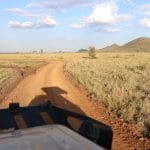
Picture endless plains unfurling beneath the equatorial sun, dotted with acacia trees and bright flashes of crimson fabric across the golden savanna. This is the home of Massai who have flourished here for centuries. These tall men, draped in their red capes , are instantly recognizable. To discover and meet the Maasai in Tanzania is to enter a living culture where each sunrise carries rituals preserved through generations. Here the land and its guardians are inseparable. Their stories woven into the rhythm of cattle bells and the glow of communal fires.
We are going to explore Maasai culture beyond its visual allure : from their origins as Nilo-Saharan pastoralists to their semi nomadic lifestyle, their identity is woven with resilience. Modernity presses against tradition. Land pressures, climate shifts, and external influences challenge their way of life. Discover how communities like those in Manyara Ranch Conservancy balance ancient customs with innovation, blending eco-tourism and conservation partnerships to protect both heritage and habitat. For deeper insights into Tanzania’s diverse tribes, explore one of the most fascinating tribes of Tanzania.
Who are the Maasai people?
Thousands of years ago, the Maasai journeyed from the Nile Valley, tracing a path south through East Africa. By the 17th century, they settled across Kenya’s Rift Valley and Tanzania’s Serengeti plains. It’s no coincidence that they’re in these areas, because generations of seasonal migration have forged their deep connection to this land. Today, their villages dot territories adjacent to Ngorongoro Crater and Tarangire National Park where wildlife and human life intertwine. Colonial borders and modern conservation parks have displaced the Maasai from their ancestral lands creating a tension between tradition and change that still lingers today.
Cattle aren’t livestock to the Maasai—they’re family. A man’s status rises with the size of his herd and the number of children he fathers. These animals provide milk, blood for ceremonial drinks, and meat for special occasions. Even their homes, built by women using cow dung and sticks, reflect this symbiotic relationship. But modern challenges are looming on the horizon. However, many Maasai people resist complete sedentarisation, preserving customs such as the emorata initiation rites and Moran warrior culture. Nevertheless, their iconic red capes and rhythmic dances remain symbols of their resilience.
As guardians of an ancient way of life, they now partner with conservation groups like the Maasai Wilderness Conservation Trust, proving their adaptability while safeguarding heritage. For travelers, witnessing this balance offers a rare glimpse into a living culture navigating the crossroads of past and present.
A rich culture embedded in everyday life
The iconic shuka and the language of Bbs of crimson and cobalt. The Shúka—a thick cotton cloth—symbolizes unity and survival. Warriors favor red to ward off predators and honor battles. Blue represents sky and rain, white means peace, green speaks of fertile lands, and orange/yellow signals hospitality. Today’s cotton fabric, imported from Dar es Salaam or China, carries the same cultural weight as earlier leather garments.
Red: Bravery, strength, unity
Blue: Sky, life-giving rain
White: Purity, health, peace
Green: Fertile land, sustenance
Orange/Yellow: Hospitality, community bonds
Necklaces and armbands map life journeys. A girl’s collar might signal puberty; patterns like zigzags warn of danger, diamonds celebrate marriage, concentric circles honor elders.
The sounds of the Maasai: song and the famous adumu jump
At sunset, harmonies erupt like a living heartbeat. A solo singer (olaranyani) leads, followed by polyphonic chants. This is not entertainment, it’s the sound of survival, echoing centuries of resilience.
The Adumu (“jumping dance”) follows. Warriors leap skyward, legs straight, heels never touching the ground. Height earns respect during rites like Eunoto, marking boys’ transition to warriors. “A boy who jumps high will guard our herds from lions” shared a village elder. The rhythm of stomping feet and rising voices binds generations.
Living in a manyatta: family and community structure
Step into a manyatta (a ring of beehive huts) and you’ll smell cow dung mixed with wild herbs. Women build homes using acacia branches, mud, and dung. Termites force rebuilds every five years.
Inside homes, fire warms families. A mans status grows with children and cattle; women design the manyatta’s layout, manage chores and teach beadwork. This balance preserves their semi nomadic identity.
Challenges such as land loss and climate change persist. However, partnerships with groups such as the Maasai Wilderness Conservation Trust combine tradition and modernity. The Trust employs locals as community guides and healthcare workers, proving heritage can adapt. “Our culture lives in jumps, beads, and cattle” said a Moran. “We evolve without erasing our past”.
Maasai traditions
Visiting Maasai communities reveals traditions as living practices. Their rituals—from warrior initiations to spiritual chants—carry deep cultural weight. This overview highlights what makes their heritage remarkable yet vulnerable.
Understanding Maasai Traditions At A Glance
Aspect
Description
Significance
Social structure
Patriarchal system based on age-sets (children, warriors/Moran, elders). Decisions are made by male elders.
Ensures order, knowledge transmission, and defined roles.
Rites of passage
Ceremonies marking life transitions, especially the ‘Eunoto’ for warriors. Includes circumcision for boys to become Moran.
Builds identity, social status, and proves endurance.
Spiritual beliefs
Monotheistic worship of Engai (or Ngai), with benevolent (black) and vengeful (red) aspects.
Guides their relationship with nature, life, and death. The ‘Laibon’ acts as spiritual intermediary.
Traditional diet
Based on cattle products: milk, meat, blood. Now supplemented with maize porridge (ugali).
Reflects self-sufficiency and connection to livestock.
Key cultural pillars of the Maasai
Maasai roles are etched by age and gender. A boy’s silent endurance during initiation determines family honor. Their social structure isn’t just hierarchy—it’s survival in East Africa’s harsh terrain. Elders deliberate under acacia trees; warriors paint their faces, embodying Engai’s fierce energy. Even their diet tells a story: milk sipped during a boma visit might have been drawn hours ago, blood saved for healing. Every sip, every chant, every ochre-streaked face whispers a thousand-year-old tale.
Yet these traditions face urgent questions. How do ancient ceremonies adapt when climate change dries ancestral grazing lands? Can digital education coexist with oral knowledge passed through generations? For travelers seeking authentic experiences, understanding these pillars opens doors to respectful interactions with a culture negotiating its past and future. The Maasai Wilderness Conservation Trust, for instance, bridges tradition and modernity—guiding warrior youths to protect wildlife instead of hunting it, turning spears into tools for anti-poaching patrols. Here, culture isn’t static—it pulses, adapts, and dances to the rhythm of survival.
The maasai in the modern world: challenges and resilience
The struggle for ancestral lands and resources
The Maasai’s connection to their land is central to their identity. Yet, national parks like Serengeti and Ngorongoro Conservation Area have drastically reduced grazing territories. In Ngorongoro, government policies prioritizing tourism and conservation over traditional pastoralism force families to adapt or resist. This tension is evident in Loliondo, where land demarcation efforts sparked human rights concerns. Visiting the Maasai in the Ngorongoro Conservation Area reveals this delicate balance. Conservation protects wildlife but often sidelines indigenous rights, threatening their way of life through lost water sources and grazing routes. For example, restricted access to seasonal pastures forces herders to overgraze limited zones, accelerating land degradation and deepening poverty.
Balancing tradition with new opportunities
The Maasai are not passive victims, they are architects of change. Many youth attend school while retaining cultural ties through community. Others partner with groups like the Maasai Wilderness Conservation Trust (MWCT), linking wildlife protection to economic benefits. Here is how they approach modernity:
Loss of traditional grazing lands to national parks and private farms
Pressure to adopt a sedentary lifestyles and modern agriculture
Difficulties in reconciling formal education and traditional knowledge
Conflicts between humans and wildlife as territories shrink
Community conservancies offer a solution. By leasing land to eco-lodges, Maasai earn income while preserving heritage. Responsible tourism supports these efforts, ensuring cultural practices endure alongside growth.
Maasai are tall
Their striking height, often exceeding six feet, is the result of a combination of genetics and a diet rich in milk. Traditionally, their diet kept cholesterol levels low, but increased consumption of processed foods has led to a higher risk of hypertension and diabetes. Life expectancy remains low at around 45 years for men, largely due to past malnutrition and disease. Health initiatives now combine traditional practices with modern medical care. Mobile clinics visit Maasai villages, offering treatments that combine herbal remedies with Western medicine to address issues such as iron deficiency, chronic illness and maternal health. These efforts include supporting older midwives during home births and help to reduce infant mortality while respecting cultural practices. Read on to find out how to experience the culture of the Maasai people in Tanzania responsibly. When visiting Maasai communities, opt for experiences that are grounded in respect and offer direct benefits. Look for tours run by local guides or community-led organisations, which invest in education, healthcare, and land preservation. For a more immersive experience, consider programmes such as the Tribe Life Experience, where you can share meals, learn beadwork and accompany herders in their daily activities.
How to experience the culture of the Maasai people in Tanzania responsibly
Choose an authentic and ethical cultural visit
When visiting Maasai communities, opt for experiences that are grounded in respect and offer direct benefits. Look for tours run by local guides or community-led organisations such as the MWCT, which invest in education, healthcare and land preservation. Many of these programmes take place in eco-friendly bomas and focus on genuine cultural exchange rather than staged performances.
Always ask tour operators how revenue is distributed — authentic initiatives invest at least 70% in community projects. Avoid tours where guests are pressured into buying overpriced souvenirs or where participation feels disconnected from the community.
Tips to prepare your visit
Askfor consent before photographing individuals, especially elders and children. Your guide can facilitate respectful communication
Show curiosity: Ask thoughtful questions about their lifestyle. Compliment their intricate beadwork or inquire about their relationship with the land
Buy crafts: Support artisans directly by purchasing bead necklaces, bracelets or wooden carvings. Prices typically range from $5–$20 per item.
For gifts: Ask advice to your your guide . School supplies, soap or medical kits are often more useful than candy or cash.
Experiment their daily activities like milking cows or dancing the Adumu jumping dance.
By approaching visits with cultural sensitivity, you’ll contribute to preserving this 500-year-old pastoralist tradition while gaining unique insights into a lifestyle still deeply connected to East Africa’s ecosystems.
The enduring spirit of the maasai
The Maasai have a dynamic culture that is evolving intentionally. Brightly colored shúkà coats and ancestral storytelling traditions are still alive. Even young warriors participate in ‘lion guardian’ programs that combine traditional roles with modern conservation efforts. Education is opening new doors for them; some families send their children to school, while others combine livestock knowledge with math and science, reconciling their pastoral roots with careers in healthcare or entrepreneurship. This coexistence ensures the continuity of their identity and opening towards modernity.
A visit to a Maasai village is an immersion in living history. you will experience unforgattable moments like sharing a spicy tea with the elders, learning the art of beadwork from skilled artisans, or walking alongside shepherds at sunrise as they guide their cattle using GPS. Your travel will become a real experience of cultural exchange and an opportunity to understand rather than just observe.
You will go back home having experienced a real authentic connection, forged through listening, learning, and the positive impact left on people and the land.
To provide the best experiences, we use technologies like cookies to store and/or access device information. Consenting to these technologies will allow us to process data such as browsing behavior or unique IDs on this site. Not consenting or withdrawing consent, may adversely affect certain features and functions.
Functional
Always active
The technical storage or access is strictly necessary for the legitimate purpose of enabling the use of a specific service explicitly requested by the subscriber or user, or for the sole purpose of carrying out the transmission of a communication over an electronic communications network.
Preferences
The technical storage or access is necessary for the legitimate purpose of storing preferences that are not requested by the subscriber or user.
Statistics
The technical storage or access that is used exclusively for statistical purposes.The technical storage or access that is used exclusively for anonymous statistical purposes. Without a subpoena, voluntary compliance on the part of your Internet Service Provider, or additional records from a third party, information stored or retrieved for this purpose alone cannot usually be used to identify you.
Marketing
The technical storage or access is required to create user profiles to send advertising, or to track the user on a website or across several websites for similar marketing purposes.