Tanzania’s Responsible Tourism: Good, Bad & Our Commitment
Ever wondered if your dream safari might harm the magic it promises? Let’s talk responsible tourism Tanzania – where epic sunsets clash with hard truths like displaced communities and carbon-heavy flights. I’ve been there, dodging curious elephants, and I’m sharing the truth: this isn’t a guilt trip, but your chance to protect Tanzania’s wild heart while respecting its people. Ready to discover the good, the bad, and how your choices turn tourist dollars into lifelines? Let’s dive in – no preachy lectures, just real talk and actionable tips to make your adventure unforgettable… the right way.
Tanzania, My Love: Why “Responsible Tourism” Is More Than Just A Buzzword Here
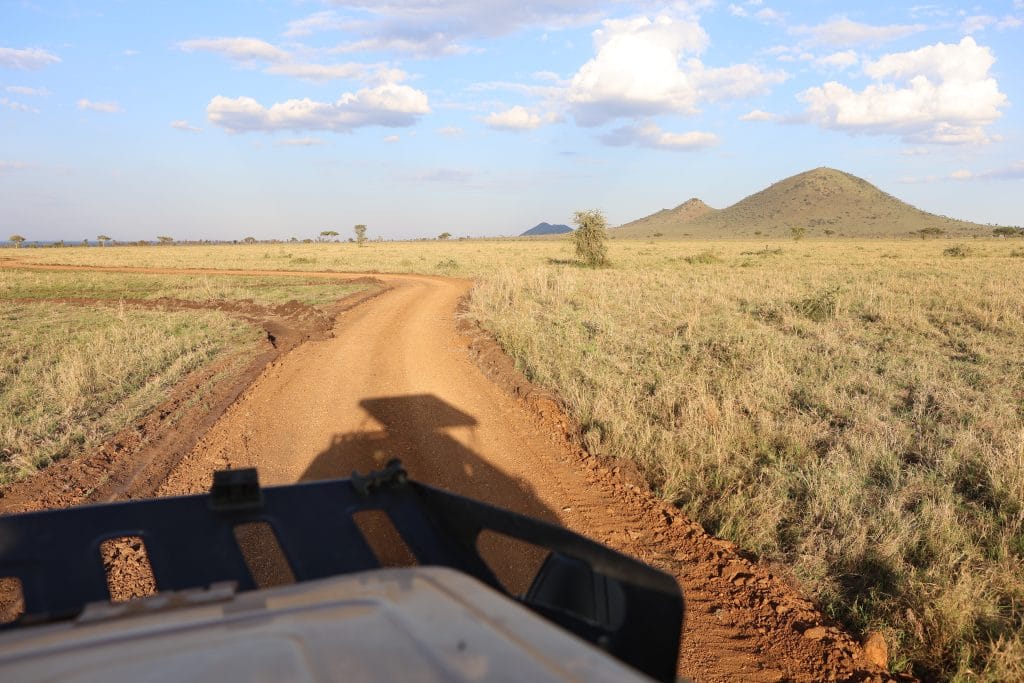
I’ll never forget trekking through Tarangire’s golden grasslands, my guide’s whisper cutting the silence: “Shh. The elephants are listening.” Suddenly, a herd emerged—trunks swaying like the land itself breathed. That moment wasn’t just breathtaking—it was a wake-up call. Tanzania’s magic isn’t infinite. Its beauty hangs by a thread, threatened by coastal erosion and climate change. And here’s the paradox: tourism, the very thing funding its salvation, risks unraveling it.
Years ago, I joined the Hadzabe, Tanzania’s last hunter-gatherers, on a sunrise walk. Their ancestral lands have shrunk by 90% as farms and parks encroached. Some tourists unknowingly fuel this by booking exploitative “cultural shows” where Hadzabe perform for scraps. Yet, hope glimmers. In 2011, they secured land rights—now eco-tourism lets them set the terms. Imagine: your visit could fund their guardians, not their displacement.
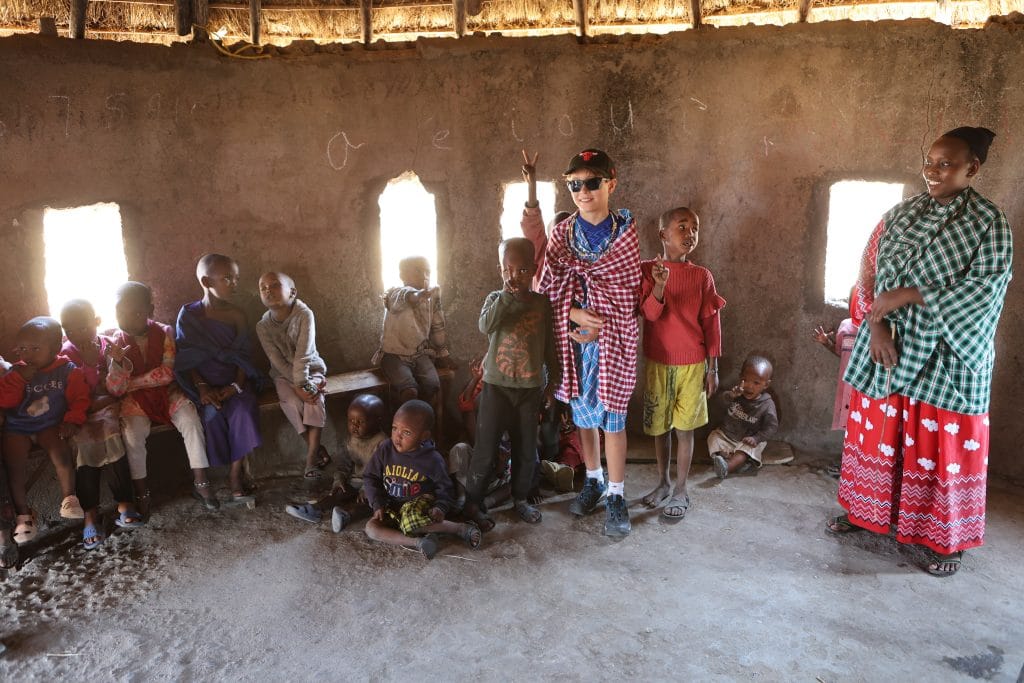
But let’s get real. Flying here leaves a heavy carbon footprint. Over-tourism chokes parks like Ngorongoro. Those viral dolphin tours? Many operate unchecked, chasing pods until they scatter. And “voluntourism” in schools—snapping selfies with kids isn’t helping. The stats? 78% live on under $3 daily, yet tourism brought $2.5B in 2023—proof of power and peril.
Change brews. Gamewatchers’ solar camps protect 700 acres per tent for wildlife corridors. Local guides now show how to track without disturbing. Even the government’s Vision 2050 prioritizes “eco-everything.” But it needs you. Offset flights. Avoid photo-hungry school visits. Choose locally-owned lodges—eco-camps plant trees per booking. When you travel here, you’re not a spectator—you’re part of the story. Guardian or ghostwriter?
The double-edged sword: the real impact of tourism in Tanzania
Let me tell you, it’s not all sunsets over the Serengeti. Tanzania’s tourism is a messy mix of hope and heartbreak. One minute you’re protecting elephants with park fees. The next, you’re questioning why those parks displaced communities. Ready to unpack the truth?
The bright side: when tourism empowers and protects
Meet Kito, my Maasai guide in Tarangire. His income funds schools for 12 kids in his village. That’s tourism done right. Local artisans near Arusha sell beadwork instead of working in factories – real jobs, not handouts.
Here’s the kicker: 25% of park fees fund conservation. That $20 entry to Ngorongoro? Buys bulletproof vests for rangers. The Vision 2050 plan? Aims to create 2 million jobs while protecting wildlife. I’ve stayed in solar-powered camps in Zanzibar where tourism dollars planted mangroves. Real change.
And it’s working in unexpected places. In Saadani National Park, fishermen now work as eco-tourism guides. Their knowledge of the Wami River’s mangroves keeps poachers away. That’s double impact – protecting nature and creating jobs.
The dark side: the hidden costs of your dream safari
Zanzibar’s beaches? Eroding fast. Climate-driven storms swallow resorts whole. Pemba’s 230 daily tons of trash? Half burned, smothering paradise. Not glamorous, but real.
Meet Juma, a Hadzabe tribesman. Once a hunter, now a performer for tourist cameras. His people’s diet shrank as farms and tourism ate their lands. In Saadani National Park, families still whisper about being pushed out with no compensation. This isn’t just environmental – it’s personal.
Unregulated dolphin tours in Zanzibar? Boats chase pods until they flee. Volunteers “helping” in orphanages often prop up broken systems. I’ve seen tourists hand cash to Hadzabe kids for photos – creating dependency, not dignity. It’s a trap – one that turns traditions into performances.
Striking a balance: your choices matter
Hope exists. Gamewatchers Safaris rents 700 acres per room to protect habitats. TATO pushes eco-certifications across 200+ operators. The question isn’t “good or bad” – it’s how we tip the scales.
Travel smarter: Support operators like Tanzania Specialist who train 85% of their staff locally. Buy authentic Hadzabe crafts (not factory trinkets) – their handmade items take 20 hours to craft. Offset flights with verified programs that plant acacia trees in the Selous. Skip classroom visits – fund school supplies instead. This isn’t just about tourism. It’s about legacy.
Because here’s the truth: Tanzania’s future hinges on your choices. Will you be the traveler that turns guides into CEOs and saves the Serengeti? Or the one letting paradise burn for a photo? The answer’s written in your travel decisions. Now go make them count.
Navigating The Ethical Minefields: Key Challenges On The Ground
Ever wondered how your dream safari might ripple beyond selfies with lions? Let me take you behind the scenes of Tanzania’s responsible tourism struggles – where good intentions often clash with harsh realities. This isn’t just about pretty landscapes; it’s about balancing nature’s survival with local communities’ needs while facing challenges like coastal erosion and climate change. The government’s Vision 2050 plan even highlights tourism as a tool for both economic growth and environmental resilience.
The truth about cultural tourism: visiting the Maasai and Hadzabe responsibly
The Hadzabe people’s ancient lifestyle feels like stepping into a history book. But here’s the catch: when they perform “traditional dances” for tourists without fair pay, it commodifies their culture. Learning about the Hadzabe way of life should empower them, not turn them into human zoo exhibits. Their biggest threat? Losing ancestral lands to safari companies who care more about profits than preserving 10,000 years of human history.
I’ve seen community-led tourism flip this script. When villages control visitor numbers and revenue, suddenly those archery demonstrations fund malaria clinics. Curious about cultural nuances? Check cultural differences between Tanzania’s tribes – it’s fascinating how each group interacts with modernity differently. The Hadzabe, for instance, refuse ownership of land in a world obsessed with boundaries – a concept that fascinates anthropologists but confuses greedy developers.
Beyond the safari truck: wildlife conservation and animal welfare
Zanzibar’s dolphin tours gave me pause. Watching boats chase dolphins like paparazzi? That’s harassment with a profit motive. These “swim-with-dolphins” trips thrill tourists but stress the very animals they showcase. The Indian Ocean humpback dolphins now avoid areas they once thrived in. Ethical operators, however, train crews to maintain distance – because real conservation means letting nature lead.
Tarangire National Park shows the better way. Where elephants reign supreme, rangers use tourism dollars for anti-poaching patrols and solar-powered eco-camps. When choosing operators, look for those funding habitat corridors so elephants can migrate safely – your safari should protect the spectacle, not disrupt it.
The invisible workforce: the rights of Kilimanjaro porters
I’ll never forget the porter who carried my gear up Kilimanjaro with flip-flops and a smile. Behind that smile? Often underpaid labor and dangerous conditions. Enter KRTO (Kilimanjaro Responsible Trekking Organization): they’re like TripAdvisor for porter treatment. Their guidelines ensure fair wages, proper gear, and safe working conditions – things we’d expect for ourselves. Certified companies even provide warm clothing for freezing mountain nights.
Watch these red flags:
“Guaranteed” wildlife selfies? Real nature isn’t a petting zoo.
School visits during class? Donate supplies instead.
Too-good-to-be-true safari prices? Someone’s paying the real cost.
Vague “eco-friendly” claims? Ask specifics!
Support companies certified by KRTO or KPAP – they ensure porters get fair wages. Knowing your climb supports communities makes that Uhuru Peak victory taste sweeter.
Responsible tourism here means navigating complex issues: protecting endangered species while boosting local economies, preserving traditions while embracing modernity. From solar-powered eco-lodges in Serengeti to Maasai women’s beadwork collectives, the goal remains clear – tourism must nourish both nature and people. The good news? More travelers are choosing ethical operators, proving paradise can be protected when we vote with our wallets.
Where Does Your Money Go? The Real Cost Of A Responsible Tanzanian Safari
Ever wondered why a Tanzanian safari feels pricey despite the country’s poverty? Let me decode where your cash flows when supporting responsible operators. Spoiler: it’s fighting coastal erosion, paying fair wages, and preserving Maasai culture—while battling climate change impacts like rising temperatures in the Serengeti.
When I first booked my trip, the price stunned me. But after seeing how my money funded anti-poaching patrols and solar-powered lodges, I realized: this isn’t a luxury—it’s protecting one of Earth’s last wild havens. Those park fees? They’re literally rebuilding roads in Ngorongoro and paying rangers who guard rhinos from poachers.
Expense Category
Responsible Operator
Budget Operator
Staff Wages
Fair living wages (20,000 TSh/day min for porters). Health insurance, gear, and English training. 7,500+ Kilimanjaro porters protected by KPAP. Guides learn to explain climate change effects to tourists.
Minimum wage or less. Relies on tips. 10,000 TSh/day common. No guaranteed meals or equipment. No training on ecological preservation.
Conservation & Park Fees
Pays all official fees + extra levies for projects like reforestation. TANAPA retains 28B TSh (€8.4M) for park maintenance. Funds 95% of ranger salaries in Saadani National Park.
Pays minimum fees. May use “secret routes” to avoid charges. No extra conservation funds. Often skips parks with highest fees like Serengeti.
Accommodation
Eco-lodges with solar, compost toilets, and waste management. 97.4% of KPAP lodges meet standards. Some use rainwater harvesting and grow local crops.
Basic camps. Leaves trash. 70% use diesel generators, boosting emissions. No waste systems—dump waste in nearby bush.
Community Support
Direct donations to schools/clinics. Gamewatchers funds anti-poaching and habitat preservation per room booked. Funds Maasai elder councils to protect traditions.
“Donations” rarely reach locals. Often no real investment beyond school photo ops. Some schools get plastic pens that melt in heat.
Responsible tourism isn’t guilt—it’s transparency. Paying for a safari means funding Tanzania’s future. Solar-powered lodges cut 15% of Tanzania’s tourism emissions. When I visited a Maasai village, my guide explained how tourism dollars fund drought-resistant crops to fight climate change.
Choosing budget tours backfires. I once joined a “cheap” safari where guides drove through wildebeest herds, engines roaring. Staff hadn’t eaten all day, and our tires scarred fragile ecosystems. A $350/day trip might cost the environment $3,500 in damage. Worse? Some budget tours “donate” school supplies that melt in Tanzania’s heat because they’re imported cheap plastic.
Need budget tips? This guide details costs from $250/day camping to $2,500/day luxury safaris. Mid-range ($450-$600/day) gives 80% of the luxury experience at half the price. Pro tip: book local Tanzanian agencies—they handle 50% of payments directly to communities.
Our commitment: how we walk the talk on responsible tourism
When I first fell for Tanzania’s savannahs and Kilimanjau, I vowed never to fuel tourism’s harms. Years later, I’ve learned balancing economics and ecology isn’t just possible—it’s vital. Let me show you how we deliver on that promise.
Supporting communities through education and employment
In 2022, we launched the Hakuna Matata Academy (HMA) in Arusha to transform lives. Today, 200 vulnerable youth train for tourism careers—from hospitality to guiding. Juma, once homeless, now thrives as a chef at a solar-powered lodge. With Germany’s DeveloPPP funding, 100 HMA graduates landed internships at 80 lodges. Meet our team—they’re the heartbeat of this mission.
Environmental stewardship: from solar panels to carbon credits
Picture a tented camp powered entirely by sun—Little Chem Chem proves solar-powered luxury works. Beyond clean energy, our Kilimanjaro Hiking and Tree Planting initiative has planted 10,000 trees, creating micro-jobs for schoolkids. These trees aren’t just carbon sinks; they fight erosion in a region where rainfall grows unpredictable. Read more about how we tackle climate change—one acacia at a time.
Ethical guidelines: protecting people and wildlife
Every guide gets rigorous training—no feeding animals, no intrusive photos. We partner only with Kilimanjaro porters through KPAP, ensuring fair wages and proper gear. Ditching voyeuristic “tribe visits,” we collaborate with communities like the Hadzabe on their terms—real cultural exchange, not performances.
Educating for a sustainable future
In Moshi, kids recognize our team by their reusable bottles. With experts like Nestory Mushi, we teach villages to protect their heritage. Last month, students planted drought-resistant saplings on Kilimanjaro’s slopes—trees stabilizing soil and feeding families. Coastal erosion? It’s personal now.
We’re not perfect—climate change threatens Zanzibar’s coast. But with every solar panel and porter treated fairly, we’re proving responsible tourism isn’t a buzzword. It’s our only way forward.
Your turn! practical tips for being a responsible traveler in Tanzania
Ready to be part of the solution? Here’s your checklist for being an awesome, responsible traveler in Tanzania. I’ve been there, done that (and learned the hard way!), so trust me—these tips will help protect the wild beauty of this place while making your trip unforgettable.
Before you go
Choose wisely: Do your homework! Select tour operators with clear responsible tourism policies. Look for certifications like KPAP for Kilimanjaro treks or Travelife for accommodations. I once booked a safari with a company supporting anti-poaching units—best decision ever!
Pack smart: Ditch single-use plastics! Bring a reusable water bottle and shopping bag. For eco-friendly packing ideas, check my Tanzania safari packing list. Pro tip: Pack a portable water filter to refill safely.
Offset your flight: Flights are the biggest carbon culprit. Support verified projects like Carbon Tanzania, which funds forest conservation and community projects. Their 1.8-million-hectare initiative with Tanapa directly protects wildlife corridors—win-win!
While you’re there
Shop and eat local: Skip overpriced tourist shops. I bought handmade Maasai beadwork at a Dar es Salaam market—it’s cheaper and the seller’s kids got school supplies from the profit. Pro tip: Try ugali! Eating local dishes reduces your footprint.
Respect culture: In villages, cover shoulders/knees and ask before snapping photos. Once, I forgot this rule and got a stern look from a Hadzabe elder—lesson learned! Use your right hand for giving/receiving items—it’s polite.
Respect wildlife: Never feed animals! On my last safari, our guide refused to approach a lion too closely. That distance kept us safe—and the lion wild. Skip unregulated dolphin tours; boats chasing them stress these creatures.
Tip fairly: In a country where 80% live on $2/day, tips matter. I give $20+ per day to guides/drivers—split it at the end. Avoid handing cash to kids; it encourages begging. Instead, donate school supplies at community projects.
These steps aren’t just feel-good fluff—they’re lifelines for Tanzania’s ecosystems and communities. Remember: Responsible tourism isn’t about perfection. It’s about choosing to leave this wild place better than you found it. Now go make memories that matter!
The future is bright: a final word on hope and conscious travel
When I first visited Tanzania, the Serengeti’s golden plains captivated me—but so did the quiet determination of communities fighting to protect their home. The challenges are real: coastal erosion gnaws at Zanzibar’s shores, climate shifts disrupt ecosystems, and tourism’s footprint risks harming what makes this place magical. Yet, here’s the twist: Tanzania isn’t backing down.
The Vision 2050 blueprint isn’t just a government document; it’s a promise. By anchoring tourism in sustainability—like TATO’s push for eco-camps and ethical guide training—the country bets on a future where wildlife thrives, and locals lead. Did you know 90% of former chameleon traders now grow spices instead? That’s not luck; it’s deliberate change.
Yes, the road isn’t smooth. Over-tourism in the Serengeti? Real. Exploitative wildlife encounters? Still lingering. But every time a traveler chooses a solar-powered lodge or a Maasai-led safari, they vote for balance. Every tree planted to offset flights? A small win. Every child in a classroom, not a photo op? A step forward.
I’ll leave you with this: Tanzania’s soul isn’t just in its landscapes—it’s in the people. When you travel here, you’re not a spectator. You’re a partner. A single thoughtful choice—donating school supplies instead of snapping selfies—can ripple into protecting this wonder for decades. And trust me, those sunsets over the savanna taste sweeter when you know you’re part of the solution. 🌍✨
Every choice shapes Tanzania’s future. Wildlife and cultural challenges remain—but responsible tourism lights the way. Support ethical operators, respect traditions, invest locally—we make wanderlust a force for good. We’re guardians of wild landscapes and vibrant cultures. Ready to explore with purpose? The savannah and its people need you.
To provide the best experiences, we use technologies like cookies to store and/or access device information. Consenting to these technologies will allow us to process data such as browsing behavior or unique IDs on this site. Not consenting or withdrawing consent, may adversely affect certain features and functions.
Functional
Always active
The technical storage or access is strictly necessary for the legitimate purpose of enabling the use of a specific service explicitly requested by the subscriber or user, or for the sole purpose of carrying out the transmission of a communication over an electronic communications network.
Preferences
The technical storage or access is necessary for the legitimate purpose of storing preferences that are not requested by the subscriber or user.
Statistics
The technical storage or access that is used exclusively for statistical purposes.The technical storage or access that is used exclusively for anonymous statistical purposes. Without a subpoena, voluntary compliance on the part of your Internet Service Provider, or additional records from a third party, information stored or retrieved for this purpose alone cannot usually be used to identify you.
Marketing
The technical storage or access is required to create user profiles to send advertising, or to track the user on a website or across several websites for similar marketing purposes.