Tanzania’s Hadzabe, Datoga & Maasai: Cultural Differences
Are you confused by the differences between the Hadzabe, Datoga, and Maasai? You’re not alone! These three Tanzanian tribes share the same environment and traditions, but live in very distinct worlds. The Hadzabe, hunter-gatherers from Lake Eyasi, use handmade bows and speak a click language that reflects their ancestral roots. The Datoga tribe use to live near Mount Hanang and are skilled blacksmiths, crafting bold jewelry. The best kown-tribe is the Maasai. They wear very recognizable red shukas wich is the symbol of their livestock-centered lifestyle and patriarchal society. These three tribes’ everyday lives are quite different, from foraging to blacksmithing to pastoral pride. Discover how each tribe’s traditions contribute to Tanzania’s vibrant cultural mosaic.
Tanzania’s cultural mosaic: an introduction to three unique tribes
We all know Tanzania for its savannahs and Big Five animals. But this jewel of East Africa holds another treasure: the richness of its human cultures. The cuntry is known for having more than 120 different tribes and ethnic groups. A real cultural diversity that rivals wildlife wonders.
Three of these stand out for their striking contrasts: the Hadzabe, the Datoga, and the Maasai. Although their territories sometimes overlap, their lifestyles could not be more different. The Hadzabe, one of the last full-time hunter-gatherer groups on the planet, live without domestic animals or clocks. The Datoga, skilled blacksmiths and warriors, combine pastoralism with traditional crafts. The Maasai, wearing iconic crimson shúka capes, used to measure their wealth by the size of their cattle and the number of wives and children.
The Hadzabe: guardians of ancient traditions
A life in harmony with the bush
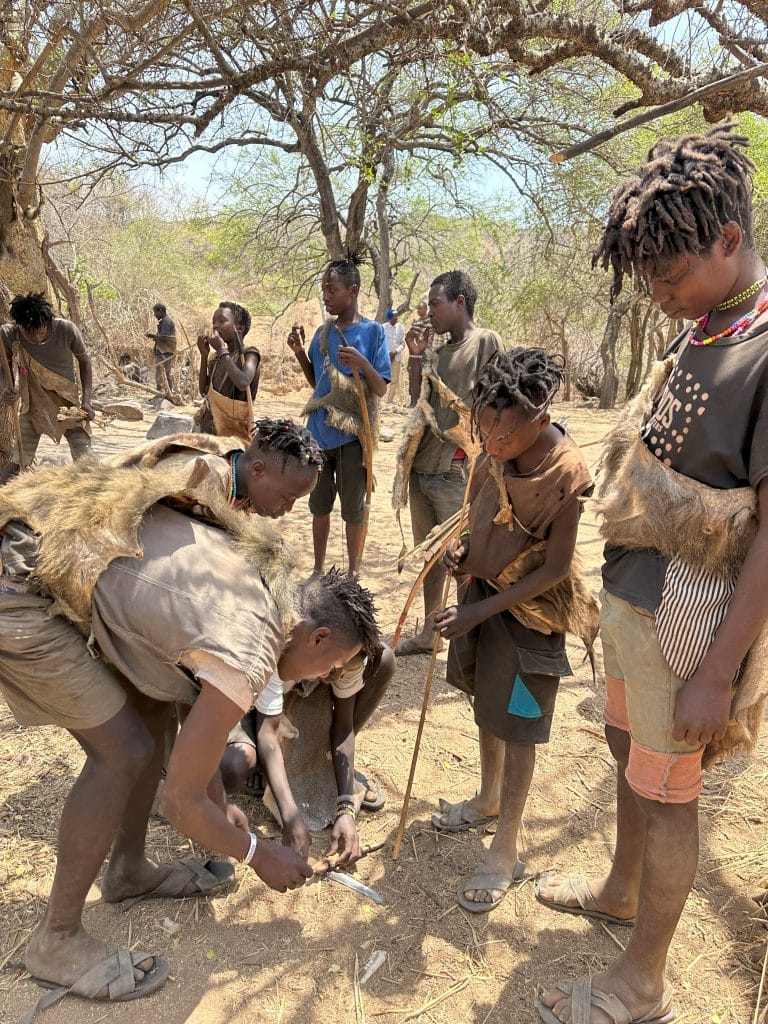
Everyday, Hadzabe hunters draw their bows, poison-tipped arrows striking a baboon mid-leap. And this has been the case for millennia. Tanzania’s last true hunter-gatherers live without livestock or farms, surviving by reading nature’s subtlest clues, tracking spoor in red dust or decoding bird calls.
before sunset, men go hunting in pairs, targeting guinea fowl or small mammals. Women are in charge of gathering. They digg for tubers with sticks and often teach children to identify edible roots. Their seasonal rhythm dictates daily life: dry seasons bring game tracking near waterholes; wet seasons mean harvesting wild honey. Around Lake Eyasi, golden savannahs and acacia groves host antelope herds at natural springs. They track animal behavior like a living map, their movements following resources, not calendars. When large game falls, camps sometimes relocate to the carcass, ensuring no food spoils under the equatorial sun.
Culture, language, and social structure
They live in an egalitarian society. Decisions emerge through group discussion; elders guide but never command. They build their shelters from fallen branches and they share food to ensure survival. Women and men hold equal status, both contributing essential skills.
Their click-rich language is a linguistic isolate, with 5-7 distinct clicks. Children learn edible plants and animal behaviors instinctively. Clothing—leather aprons and skirts—offers freedom for climbing trees or tracking game. Ochre body paint signifies life stages rather than elaborate adornments.
Meat, especially baboon and guinea fowl
Honey, harvested using smoke to pacify bees
Wild fruits from baobab and Salvadora trees
Tubers dug from parched earth, providing hydration in dry seasons
The Datoga: skilled blacksmiths and proud agro-pastoralists
Loeds of metal and cattle
The Datoga balance cattle herding with small-scale farming, unlike the Hadzabe tribe. Their herds of cattle, goats, and donkeys provide milk, meat, and hides while crops like maize, millet, and sorghum contribute to the dietary diversity. Thanks to their adaptability, they have developed real resilience to the difficult conditions in Tanzania; they grow beans and tubers during the dry season to supplement the resources provided by livestock.
Their traditional blacksmithing skills enable them to transform scrap metal into tools, jewelry, and arrowheads, which they trade with neighboring tribes. The key skills involved in this craft are passed down from generation to generation. Young boys learn to shape molten metal using hand-forged bellows, creating everything from agricultural hoes to intricate brass bracelets. Intertribal cooperation has developed over time around trade with othet tribes.
Historically, the Datoga trace their roots to Nilotic migrations from Sudan and Ethiopia around 1500 AD. Settling in central Tanzania, they built a society where metalwork and livestock coexist. Oral traditions speak of conflicts with Maasai and European colonizers, yet their core identity as pastoralists and artisans remains strong amid modernization pressures.
Distinctive culture and appearance
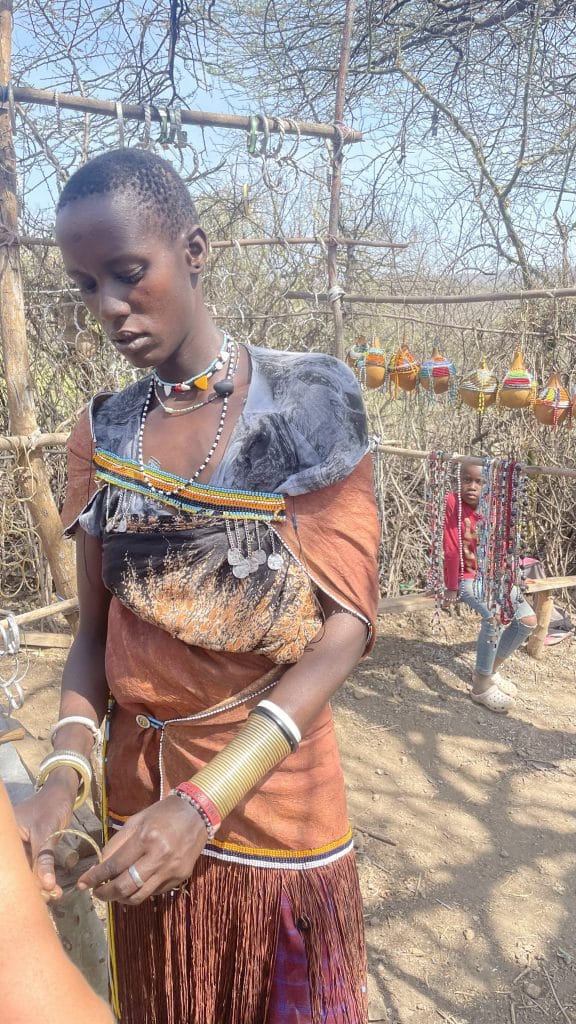
Visitors notice Datoga’s striking leather garments dyed in earthy tones and brass jewelry that jingles as they move. Their circular facial tattoos around the eyes signify social status and cultural pride. These marks are created by cutting the skin and rubbing ash into it; they are used to distinguish warriors, elders, and women across generations. The process, performed during adolescence symbolizes transition into adulthood. Though patriarchal, their society values women’s roles in crafting and family life. Men oversee herding and metalwork, contrasting with the Maasai’s cattle-centric traditions and the Hadzabe’s egalitarian bands.
Despite modern challenges, the Datoga preserve traditions through metalwork, agriculture, and ceremonies. These skilled artisans and pastoralists offer travelers a glimpse into a culture where history and craftsmanship endure. Visiting Datoga homesteads today, you’ll find families still forging tools with methods unchanged for centuries : a living testament to Africa’s enduring cultural diversity while navigating contemporary issues like land rights and education access.
The Maasai: iconic warriors and their cattle-centric world
A life measured in cattle
When you visit a Maasai manyatta (homestead), you’ll notice the central role of cattle. These semi-nomadic pastoralists thrive on a lifestyle where cows are not just livestock—they’re sacred. Unlike the Hadzabe, who own nothing, or the Datoga, who balance herding with metalworking, the Maasai see cattle as life itself.
Every aspect of Maasai identity ties to their herds. A man’s status grows with his children and cows. Milk, blood, and meat feed families. Dowries flow in cattle, and rituals honor Engai, their creator god, through animal sacrifices. The myth of Engai sending cattle down a fig tree roots underscores this bond. For travelers, this reveals a worldview where cows bridge the earthly and divine.
Vibrant traditions and social hierarchy
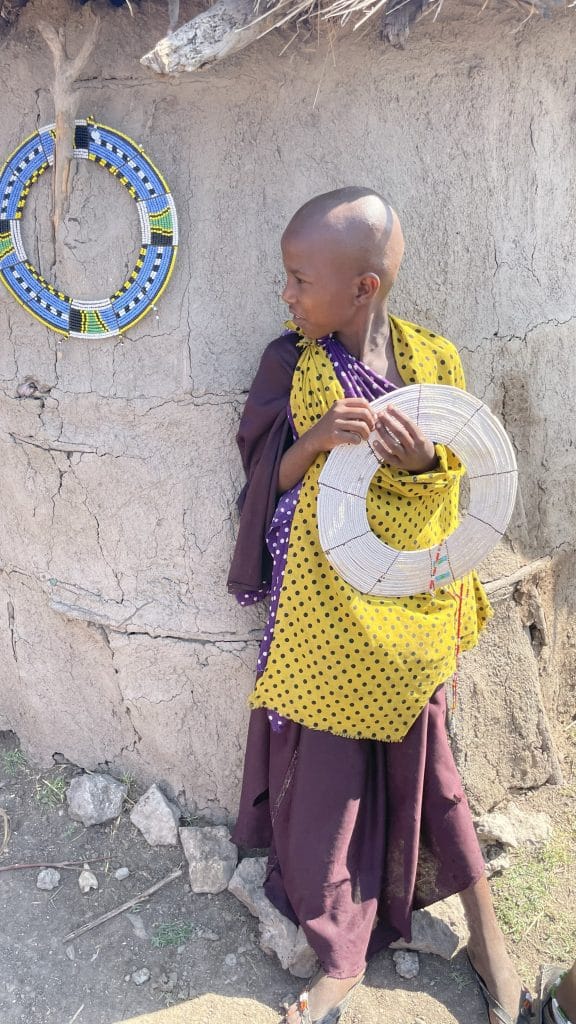
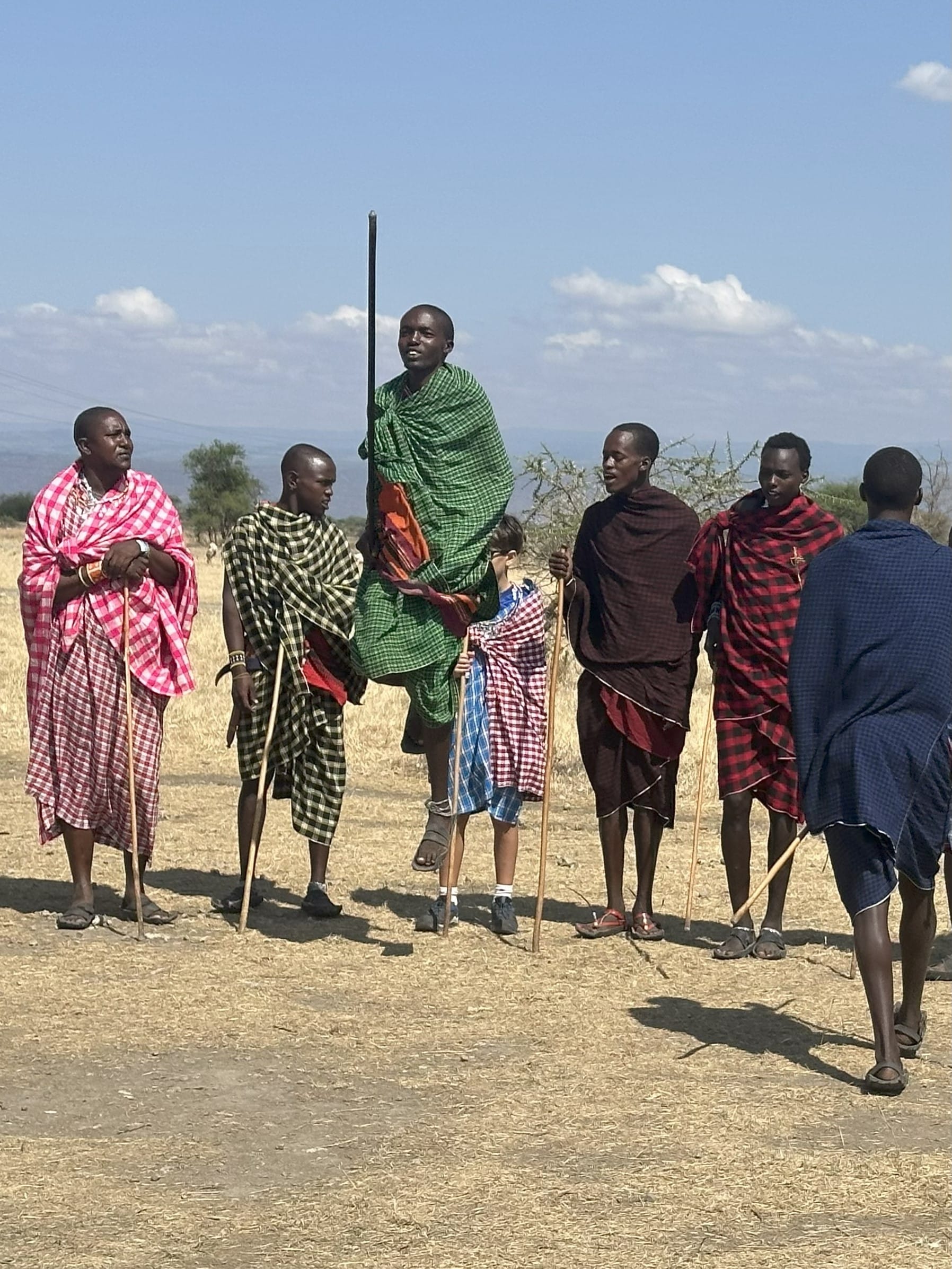
Spotting Maasai warriors in crimson shukas (cloaks) and intricate beaded jewelry is unforgettable. Their bold red attire, believed to ward off wild animals, contrasts with the Datoga’s earthy leather or the Hadzabe’s simple coverings. But their appearance tells only part of the story.
Their social structure revolves around Morans (warriors) and elders. Young men endure rigorous training to prove bravery, from long cattle treks to enduring circumcision without anesthesia. Their iconic adumu (jumping dance) isn’t just performance—it’s a test of strength and unity. Here’s how cattle shape their world:
Primary Food Source: Milk, blood, and meat sustain families.
Measure of Wealth: More cows mean higher status and marriage prospects.
Central to Social Transactions: Cattle seal marriages and community deals.
Sacred Link to Engai: Cows symbolize their pact with the divine.
While the Datoga’s identity mixes herding with craftsmanship, and the Hadzabe rely on hunting, the Maasai’s reverence for cattle remains unmatched. Yet modernity nudges them: younger generations increasingly prioritize education over warriorhood. A visit offers a chance to witness this evolving tradition—where ancient rituals meet 21st-century choices.
Hadzabe vs datoga vs maasai: a side-by-side comparison
Explore contrasts between Tanzania’s Hadzabe, Datoga, and Maasai tribes through lifestyles, traditions, and modern life.
Feature
Hadzabe
Datoga
Maasai
Primary Lifestyle
Exclusive hunter-gatherers
Agro-pastoralists & blacksmiths
Semi-nomadic pastoralists
Geographic Location
Lake Eyasi valley
Lake Eyasi, Singida, Mt. Hanang
Northern Tanzania & Southern Kenya
Key Skill / Reputation
Expert hunting with poison-tipped arrows
Master blacksmiths and warriors
Iconic cattle herders and warriors
Distinctive Appearance
Functional animal skin clothing
Reddish-brown leather with facial tattoos
Bright red shukas and intricate beadwork
Language Family
Unique click-based language (Isolate)
Nilotic
Nilotic
Relationship with Livestock
No domestic animals – rely on hunting
Raise livestock but not central to identity
Cattle define wealth, diet, and rituals
These differences highlight Tanzania’s cultural diversity while challenging stereotypes about African tribes.
How to visit the Hadzabe, Datoga and Maasai ethically
Meeting Tanzania’s indigenous communities should feel like a privilege, not a transaction. These visits offer rare insights into human heritage, but require thoughtful preparation. Let’s explore how to engage respectfully while supporting their futures.
Choosing the right guide matters
Work with certified local guides or tour operators committed to equitable partnerships. Look for companies that’ve built long-term relationships with these communities. For instance, joining a Hadzabe hunting experience through ethical providers ensures visits align with their rhythms. Similarly, cultural visits with Datoga artisans should involve direct collaboration with blacksmiths and beadworkers.
What ethical experiences look like
Seek opportunities that reflect daily life rather than staged performances. Try:
Learning bow-making techniques from Hadzabe elders
Watching Datoga metalwork using traditional furnaces
Helping Maasai herders care for livestock
These interactions shouldn’t disrupt normal routines. Authentic moments often arise during sunrise activities – like tracking game with Hadzabe hunters or joining Datoga women collecting ochre pigments.
Tips for a responsible cultural visit
Always ask for permission before taking photographs of people
Purchase handicrafts directly from the artisans creating them
Show genuine curiosity and ask questions respectfully through your guide
Follow your guide’s lead on etiquette and cultural norms
Remember, these aren’t “living museums” – they’re thriving communities navigating modern challenges. Avoid assumptions about their “traditional” lifestyles. The Hadzabe, for example, actively negotiate land rights while preserving their hunter-gatherer identity. The Datoga balance metalworking traditions with adapting to climate changes. Maasai elders now debate digital education alongside cattle management.
Celebrating Tanzania’s living heritage
Visiting Tanzania isn’t just about spotting wildlife – it’s about connecting with communities whose traditions reveal humanity’s oldest stories. The Hadzabe, Datoga, and Maasai each offer unique chapters of our shared history, thriving in East Africa’s landscapes with strikingly different lifestyles.
The Hadzabe embody a hunter-gatherer legacy, tracking game with poison-tipped arrows. Their survival depends on decoding nature’s subtlest clues – every root, berry, or rustle in the brush. The Datoga blend farming, herding, and metalwork, crafting beadwork while defending ancestral lands since the 1500s. The Maasai’s identity centers on cattle – their “walking banks” symbolizing wealth and status through generations, expressed in vibrant shúkà cloaks and rhythmic jumping dances.
Distinct traditions shine: the Hadzabe’s egalitarian ways, the Datoga’s facial scars marking life transitions, and the Maasai’s communal storytelling. All face modern pressures – land loss, climate shifts, and economic changes – yet their cultural pride endures. Their practices prove heritage evolves while honoring the past.
Discovering these differences transforms safaris into meaningful journeys.
To provide the best experiences, we use technologies like cookies to store and/or access device information. Consenting to these technologies will allow us to process data such as browsing behavior or unique IDs on this site. Not consenting or withdrawing consent, may adversely affect certain features and functions.
Functional
Always active
The technical storage or access is strictly necessary for the legitimate purpose of enabling the use of a specific service explicitly requested by the subscriber or user, or for the sole purpose of carrying out the transmission of a communication over an electronic communications network.
Preferences
The technical storage or access is necessary for the legitimate purpose of storing preferences that are not requested by the subscriber or user.
Statistics
The technical storage or access that is used exclusively for statistical purposes.The technical storage or access that is used exclusively for anonymous statistical purposes. Without a subpoena, voluntary compliance on the part of your Internet Service Provider, or additional records from a third party, information stored or retrieved for this purpose alone cannot usually be used to identify you.
Marketing
The technical storage or access is required to create user profiles to send advertising, or to track the user on a website or across several websites for similar marketing purposes.