Volunteer in Tanzania: Opportunities, Costs & Safety
Feeling overwhelmed by endless “volunteer Tanzania” options online? Choosing ethical programs that align with your values—and avoid common pitfalls—can feel like navigating a maze. This guide cuts through the noise, offering honest insights into life-changing opportunities with Maasai communities, wildlife conservation projects, and rural schools, while breaking down real costs (from $500/month programs to visa fees) and safety tips trusted by locals. Discover how to support Hadzabe tribe preservation or teach English in Arusha, all while understanding visa hurdles like the mandatory $200-$550 Class C permit. Ready to turn your dream into a journey that leaves a lasting impact?
Thinking of volunteering in Tanzania? Here’s where to begin
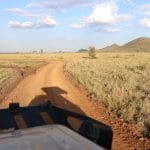
Picture this: the horizon glows with golden light as the sun rises over the Serengeti, casting long shadows on the savanna. A Hadzabe hunter strings his hand-carved bow, while Maasai children walk to school, their laughter echoing through the crisp morning air. This is Tanzania—a land where volunteering isn’t just about giving back; it’s about stepping into a world where cultures collide, and stories unfold daily.
Volunteering here is a two-way street. You’ll teach, build, or heal, but you’ll also learn. Imagine sharing stories with a Datoga blacksmith or dancing to traditional rhythms in a village square. These moments aren’t just memories—they’re bridges between worlds. And don’t worry, this guide is your compass. We’ll cut through the noise to show you how to find meaningful projects, budget smartly, and stay safe—no guesswork needed.
Ready to dive in? Here’s what we’ll cover:
Where to volunteer: Education, healthcare, conservation, and community projects in Arusha and Northern Tanzania.
Budget breakdown: Program fees ($500–$1,500/month), flights ($800–$1,500), and visa costs ($50).
Visa hacks: How to secure the right permit without headaches.
Stay safe: Practical tips for navigating Tanzania’s unique challenges.
We have walked this path. This isn not a “set it and forget it” experience. It’s a chance to grow, connect, and leave footprints that matter. Let’s turn that “what if” into “what’s next”!
How to choose an ethical volunteer program with real impact
Volunteering in Tanzania can transform lives – including your own. But how do you avoid becoming part of the “voluntourism” problem? Let’s cut through the noise to find programs that create lasting change.
Many well-meaning travelers unknowingly support harmful systems. Ethical volunteering means asking tough questions: Does this project empower locals or create dependency? Will my presence here help sustain communities long after I leave? These questions matter more than ever as Tanzania’s communities face complex challenges.
Spotting ethical programs
Look for organizations prioritizing local leadership. The best programs partner with Tanzanian NGOs registered with the diverse tribes of Tanzania who understand cultural nuances. Avoid groups that treat volunteers as “saviors” – sustainable change comes from within communities, not outside intervention.
While working with children seems noble, institutional care often causes long-term harm. Most Tanzanian orphans have living relatives – systemic poverty forces separation. Ethical alternatives focus on family reunification and community support. If working with children, ensure strict child protection policies exist and that projects prioritize long-term solutions over short-term emotional satisfaction.
Key questions to ask any volunteer organization
What percentage of my program fee goes directly to the local community project?
Are you partnered with a locally registered Tanzanian NGO or community group?
What is your long-term strategy for this project? How do you measure your impact?
Do you have a strict child protection policy? (especially for projects with children)
How do you prepare volunteers for the cultural context and their specific roles?
Red flags to watch for
If an organization promises “life-changing experiences” but can’t show concrete community outcomes, proceed with caution. Watch for excessive fees (over $25/day for accommodation) or projects that prioritize volunteer satisfaction over local needs. Remember, genuine impact takes time – avoid programs making grandiose claims for short-term placements.
The most ethical programs often focus on skills transfer. For example, teaching local teachers new techniques they can pass on, or helping entrepreneurs access global markets. This creates ripple effects that outlast your physical presence in Tanzania.
What kind of volunteer work can you do in Tanzania?
Teaching and education support
As a volunteer in northern Tanzania, you can make a difference in schools around Arusha and Moshi, as well as in rural villages. You can teach English, math, or practical skills to students in classrooms with limited resources.
Many schools lack basic materials, so your help in organizing activities or creating fun educational games will be invaluable. Novice volunteers often assist local teachers, while experienced educators can teach science, geography, or computer science classes.
Programs typically run Monday-Friday, giving you weekends to explore. Imagine teaching children counting through games, then hiking Mount Kilimanjano or visiting a Maasai village the next day.
Healthcare and medical placements
For medically trained volunteers, Arusha and Moshi offer placements in understaffed clinics and hospitals. You could rotate through maternity wards, eye clinics, or general departments, observing local professionals.
Non-medical volunteers play vital roles too – conducting hygiene workshops in communities or supporting maternal health campaigns. In Zanzibar, volunteers educate about malaria prevention and safe childbirth practices.
IVHQ’s Arusha medical project welcomes volunteers aged 18+ to observe patient care and assist with health education. Remember: professional volunteers need appropriate qualifications, while others contribute through public health initiatives.
Community development and womens empowerment
Join projects building schools in Datoga villages or digging clean water wells in rural areas. You might teach vocational skills to Maasai women through MWEDO, helping them start income-generating activities.
Construction volunteers renovate classrooms or community spaces, using local techniques like sun-baked bricklaying. Cultural immersion programs let you live with Maasai families, learning beadwork while supporting village education.
In Arusha, you could work with women’s cooperatives making traditional crafts. These projects emphasize sustainable change – helping communities help themselves rather than relying on short-term assistance.
Wildlife and environmental conservation
Protect Tanzania’s natural treasures by monitoring wildlife in the Serengeti or restoring coral reefs in Zanzibar. Volunteers track elephant movements in Tarangire National Park and record data on migratory shark species.
Marine conservation in Zanzibar involves underwater coral planting and turtle hatchery protection. IVHQ’s coastal project trains volunteers in data collection – identifying fish species and documenting human impacts on marine ecosystems.
For land lovers, eco-projects teach sustainable farming techniques to smallholder farmers. You’ll help maintain community gardens while learning about local plant medicine from Datoga elders.
Breaking down the costs: your budget for volunteering in Tanzania
Volunteering in Tanzania offers life-changing experiences, but planning your budget wisely ensures no surprises. Costs fall into three main categories: program fees, preparation expenses, and personal spending. Let’s explore these to help you prepare for your Tanzanian adventure.
Program fees: $500-1,500/month
Most organizations bundle essential expenses into their program fees. These typically cover accommodation, three meals daily, airport transfers, and 24/7 on-site support. Costs vary based on location and project type. For example, education programs in Arusha might cost less than wildlife conservation projects requiring remote area access. Always ask what’s included – some programs exclude weekend meals or extra activities.
International flights to Tanzania range from $800-$1,500 round-trip, depending on your departure city. The Volunteer e-Visa costs $50-$100, while the mandatory Class C Residence Permit adds $200-$550. Most programs require travel insurance ($50-$150/month), and vaccinations like Yellow Fever ($50-$150) plus malaria prophylaxis ($50-$100/month) should be budgeted. These preparations ensure your entry and health compliance before volunteering begins.
Personal spending: $25-50/day
After covering basics, budget for personal expenses. This includes local transport ($0.13 for minibuses), meals outside program provision ($5 for local dishes), souvenirs like Maasai beadwork, and weekend safaris ($300-$500 for Serengeti trips). A daily budget of $25-$50 gives flexibility while respecting your financial limits. Local markets offer fresh fruit for $0.50 or traditional crafts at bargain prices.
Estimated Budget for a 4-Week Volunteer Trip in Tanzania (Excluding Flights)
Item
Estimated Cost (USD)
Notes
Program Fee
$500 – $1500
Covers accommodation, most meals, and project support. Varies by organization.
Visa & Residence Permit
$250 – $600
Includes Volunteer e-Visa ($50) and Class C Permit (up to $550).
Travel Insurance
$50 – $150
Mandatory for most programs.
Vaccinations & Meds
$150 – $400
Depends on your needs (Yellow Fever, Malaria prophylaxis, etc.).
Personal Spending
$400 – $800
For extra meals, transport, souvenirs, and weekend trips ($25-$50/day).
Total Estimated (4 weeks):
$1,350 – $3,450
This is a general guide; costs can vary.
Understanding these costs helps you choose the right program. Remember that lower fees don’t always mean better value – check what’s included. With proper planning, your volunteer journey in Tanzania can be both impactful and affordable.
Your step-by-step guide to Tanzania’s volunteer visa and permits
Many volunteers assume a standard tourist visa works for Tanzanian projects. This is a critical mistake. To legally contribute to community initiatives, you need a specific two-step process. Let’s demystify it.
Step 1: The volunteer e-visa (ordinary visa)
Before departure, apply online for a $50 single-entry visa (or $100 multiple-entry for U.S. citizens). This 90-day permit isn’t just paperwork – it’s your gateway to meaningful engagement. Without it, you risk fines or deportation.
The online process takes 4-7 business days, but apply at least 10 days before travel to avoid delays. Mistakes here can derail your plans – one traveler I met in Arusha faced a $200 on-arrival fee after missing a document. Avoid this by double-checking requirements:
Passport valid for at least 6 months
A recent passport-style photo
A copy of your return flight ticket
An official invitation letter from your Tanzanian volunteer organization
Proof of financial support
Step 2: The class C resident permit
After arrival, your organization must secure a $200-$550 Class C Resident Permit. This crucial document legally authorizes your volunteer work. Never skip this step – organizations face penalties for non-compliance.
Your host organization becomes your ally here. They’ll submit your application to immigration offices in Arusha or Dar es Salaam, including your e-Visa documents plus their official sponsorship. Processing takes 4-7 business days typically, with faster options available for urgent cases.
Think of this permit as your local citizenship during volunteering. It protects both you and the community – 90% of volunteers overlook this, creating avoidable risks. Always confirm your organization’s experience with this process before departure. This permit lets you work in schools, clinics, or conservation projects without legal issues – imagine teaching in a Moshi classroom with complete peace of mind!
Staying safe and healthy: a practical guide for volunteers
Tanzania’s volunteer hubs like Arusha and Zanzibar offer safe, rewarding experiences. Follow these tailored tips to protect your health, respect local customs, and focus on meaningful work.
Smart safety habits in urban areas
Stay alert in crowded spots like Arusha’s markets or Dar es Salaam’s transport hubs. Use a hidden money belt, avoid flashing electronics, and book taxis through program contacts. Share your daily plans with coordinators—they’ll guide you on safe routes, especially at night.
Your health checklist before departure
Schedule a travel clinic visit 4–6 weeks before arrival. Yellow fever vaccination is mandatory—carry your certificate. Doctors often recommend hepatitis A/B, typhoid, and malaria prophylaxis. For rural projects, discuss rabies vaccines. Always get personalized medical advice.
Drink sealed bottled water—check for intact seals.
Sanitize hands before meals and after market visits.
Choose busy street food stalls with visible cooking—avoid pre-cut fruit.
Use 30%+ DEET repellent; reapply every 4 hours.
Sleep under provided mosquito nets, even in lodges.
Wear long sleeves/trousers in evenings, especially in rural areas.
Cultural respect as a safety strategy
In Zanzibar’s Stone Town or Maasai villages, dress modestly. Women should cover shoulders/knees with lightweight clothing. Men avoid sleeveless shirts. Learn practical phrases like ‘Pole pole’ (slowly) to ease interactions. Avoid public displays of affection—Tanzanians value discretion.
Health habits during your stay
During rainy seasons (March–June, November–December), prioritize malaria prevention: combine prophylaxis, repellent, and bed nets. Stick to sealed bottled water. Follow the rule: “If it’s not cooked, peeled, or boiled—avoid it!” Carry electrolyte tablets for high-heat regions.
Local support systems
Programs like IFRE or Volunteer Tanzania provide 24/7 coordinators. Store passports in accommodation safes and carry photocopies. Most include basic health insurance—verify coverage for emergencies. Stick to program-recommended transport and accommodations for added security.
Your adventure awaits: are you ready to make a difference?
Volunteering in Tanzania connects you to a land where ancient traditions meet modern purpose. Teaching English in Arusha helps students pursue education. Protecting wildlife in the Serengeti preserves ecosystems. Supporting rural clinics delivers healthcare to families walking hours for treatment. This journey transforms both communities and volunteers.
Weekends reveal Tanzania’s wild beauty. A Serengeti sunrise safari shows golden light painting acacia trees as wildebeest thunder past. Kilimanjaro’s trails pass through rainforests where colobus monkeys swing. Zanzibar’s spice farms hint at coastal trade history. These moments shape your volunteer experience.
The real magic lives in quieter encounters. Sharing ugali with Maasai elders means hearing oral traditions of warriors who once guarded savannahs. Walking with Hadzabe hunters near Lake Eyasi reveals how they read animal tracks like books. Ethical visits fund land rights secured through initiatives like the Dorobo Fund, protecting ancestral territories.
Tanzania mirrors your capacity for impact. Will you teach a child to read? Plant mangroves to protect Zanzibar’s coast? Or listen to a grandmother’s stories under a baobab, realizing her voice carries centuries of wisdom? You’ll leave with more questions than answers – and that’s the point.
At African Safari Tanzania, we’ve seen volunteers return with calluses from building schools – and perspectives reshaping their careers. Our team partners with community projects to ensure your time creates lasting change. The best volunteering transforms both worlds.
So why wait? Tanzania’s red dust is already on your shoes. Are you ready to answer the call?
Tanzania awaits with open arms, offering a journey that transforms both communities and souls. Embrace ethical volunteering, immerse in vibrant cultures like the Hadzabe’s traditions, and explore wonders like the Serengeti or Zanzibar’s shores. Ready to leave a meaningful mark—and return forever changed? Start your adventure at African Safari Tanzania, where passion meets purpose.
To provide the best experiences, we use technologies like cookies to store and/or access device information. Consenting to these technologies will allow us to process data such as browsing behavior or unique IDs on this site. Not consenting or withdrawing consent, may adversely affect certain features and functions.
Functional
Always active
The technical storage or access is strictly necessary for the legitimate purpose of enabling the use of a specific service explicitly requested by the subscriber or user, or for the sole purpose of carrying out the transmission of a communication over an electronic communications network.
Preferences
The technical storage or access is necessary for the legitimate purpose of storing preferences that are not requested by the subscriber or user.
Statistics
The technical storage or access that is used exclusively for statistical purposes.The technical storage or access that is used exclusively for anonymous statistical purposes. Without a subpoena, voluntary compliance on the part of your Internet Service Provider, or additional records from a third party, information stored or retrieved for this purpose alone cannot usually be used to identify you.
Marketing
The technical storage or access is required to create user profiles to send advertising, or to track the user on a website or across several websites for similar marketing purposes.