Ever wondered if your orphanage volunteering Tanzania dreams might accidentally fuel the very problems you’re trying to fix? Spoiler: short-term hugs rarely heal deep-rooted issues. I’ve been there—sleepless in Arusha, Googling “volunteer in Africa” at 2 a.m., panic setting in over “paper orphans.” Ethical travel isn’t about saving kids; it’s about saving ourselves from saviorism. This is your compass to dodge voluntourism traps, decode child protection policies, and find programs where your 4-week stint sparks lasting change. Prioritize local expertise, support family preservation, and navigate attachment issues—kids deserve stability, not revolving door volunteers.
My journey into orphanage volunteering in Tanzania: the good, the bad, and the truth
When I landed in Arusha, I brought a backpack, hope—and zero awareness of the ethical quagmire awaiting me. Volunteering at a Tanzanian orphanage felt like merging wanderlust with purpose. The reality? A maze of well-meaning mistakes.
Brutal fact: 80% of orphanage kids have living relatives. Poverty separates families, lured by promises of “better care.” My first week, a boy named Juma asked, “Why do you all leave?”—a question that shattered me. Short-term volunteers cycle through, offering fleeting affection, then vanish. Kids face abandonment trauma. Not the “heartwarming” tale social media loves, huh?
The dark side? Orphanage tourism fuels a $2B industry exploiting kids as “poverty props.” Stories of children starved to look pitiable for donations or parents tricked into surrendering kids for “opportunities” are rampant. The UN calls orphanages a last resort. Worse? Viral videos of volunteers hugging malnourished kids? Often trafficking bait.
So, the lesson: Vet organizations obsessed with family reunification, not fundraising. Teach local staff or build sustainable projects. Real change isn’t about “saving” kids—it’s letting communities lead their own revival. Tanzania deserves better than performative kindness. Start by doing the homework influencers skip.
The complex reality of orphanages in Tanzania
Why do so many children need support?
When I first arrived in Tanzania, I assumed orphanages housed kids without parents due to disease or war. The truth? Poverty and HIV/AIDS are the real drivers. Families struggling to afford basics like food or school fees often place children in orphanages temporarily, hoping for stability. HIV/AIDS compounds this: stigma and inconsistent access to antiretroviral drugs leave parents unable to care for their kids. Over a quarter of Tanzanian girls under 18 lack parental care—not because parents are gone, but because they’re trapped in cycles of poverty. Globally, 147 million vulnerable children face similar risks: disrupted education, health gaps, and heightened exposure to abuse. But here’s the twist—many families aren’t “failing.” They’re navigating impossible choices. Imagine a mother forced to choose between feeding her children or keeping her HIV-positive spouse on medication. Systemic gaps like corruption, rural clinic shortages, and unaffordable meds trap families in survival mode.
The “orphan” myth: what you must understand
Did you know many Tanzanian “orphans” have living relatives? These “paper orphans” are often separated from families due to financial pressure, while institutions profit from volunteer dollars. Orphanage tourism—short-term volunteers taking selfies with kids—fuels this cycle, breaking family bonds. Studies show children in orphanages with high volunteer turnover often develop attachment issues, mistaking volunteers for caregivers. Some organizations challenge this model. They prioritize family preservation, helping parents start businesses or access healthcare so kids stay home. TST’s 4-week volunteer minimum prevents trauma from short-term bonds that disrupt kids’ routines. Volunteers are trained to avoid physical contact or actions resembling parental roles. Their 5-star reviews? Proof ethical work changes lives without dependency. UN studies confirm institutionalized children face mental health challenges and cultural disconnection. The solution? Invest in community-driven solutions who will, for instance, partner with local leaders to build water cisterns and support women-led cooperatives. Want to help? Prioritize programs that empower families first. Ready to volunteer? Let’s talk about choosing wisely next…
How to be an ethical volunteer (and avoid causing harm)
The dangers of short-term volunteering
Let me tell you a story. A few years ago, I met a teenager in Arusha who’d grown up in an orphanage. He said something that stuck with me: “Every month, new volunteers came to play with us. They promised to write. None did. Now I don’t let anyone close.” His words? Heartbreaking. This is the hidden cost of short-term volunteering – broken bonds that leave kids craving stability.
When volunteers rotate every few weeks, children form intense attachments to people who disappear. Studies show this cycle can cause emotional trauma, impaired brain development, and long-term psychological issues. That’s why some volunteer organizations require a minimum 4-week stay for childcare roles. It’s not about excluding travelers – it’s about protecting children from repeated abandonment.
Think you’re helping by playing with toddlers for 2 weeks? The reality? You might be creating “attachment junkies” who desperately seek affection from strangers. One child told a researcher: “They give me love, but then they leave. When I write, they don’t reply.” This pattern actually harms their ability to form healthy relationships later.
Hallmarks of a responsible volunteer program
So how can you help without hurting? Here’s my ethical volunteer checklist:
Community empowerment focus: Look for programs prioritizing family reunification over childcare.
Minimum time commitments: 4+ weeks isn’t arbitrary – it gives kids consistency. Shorter stays (under 2 weeks) rarely benefit children long-term.
Local leadership: Ethical programs hire local caregivers. Volunteers should assist, not replace, trained professionals.
Ironclad child protection: Check for background checks, “two adults present” policies, and clear guidelines about physical contact.
Remember – the goal isn’t your Instagram story. It’s creating lasting change. I’ve seen volunteers teach English for 6 months, helping kids pass critical exams. That’s real impact.
Pro tip: Programs that push you to fundraise thousands? Run. Ethical organizations focus on your skills, not your wallet. And if they can’t explain how your work empowers locals? Walk away.
A day in the life: what you’ll really be doing
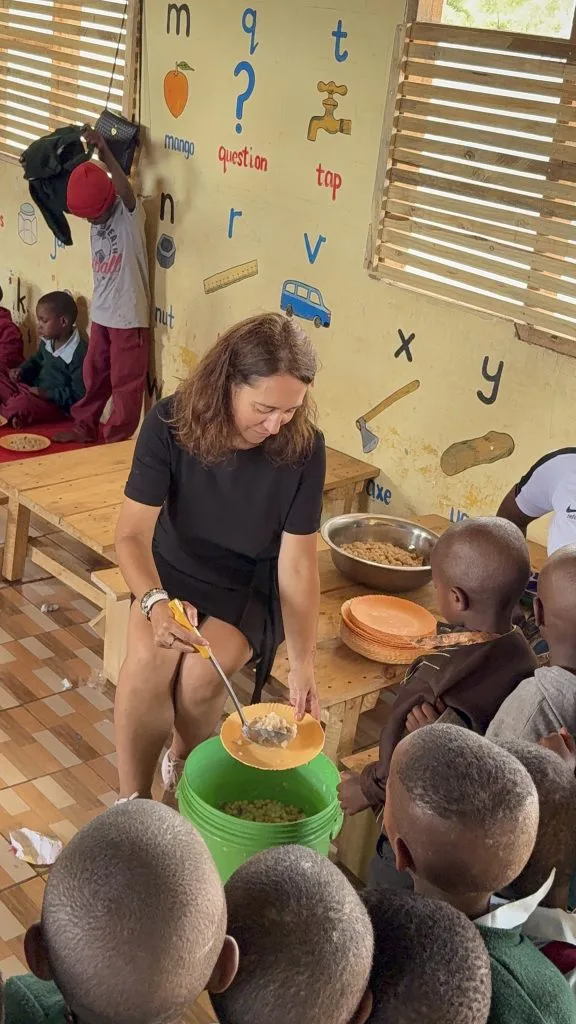
My alarm rings at 7:00 AM in Arusha. At school, the kids are already splashing cold water on their faces. I grab my notebook—the day starts with chaos and laughter. Volunteering here isn’t about selfies. It’s sleeves-rolled-up work: fixing, teaching, organizing. By 8:30 AM, I’m outside a classroom where 20 kids chant English numbers. The youngest clings to my leg mid-lesson. This is real life.
More than just playing: your diverse roles
Volunteering in Tanzania’s ethical orphanages goes beyond games. Here’s my week’s highlights:
Educational support: Tutoring English, math drills, or explaining gravity with marbles. Once, I turned a broken abacus into a counting game using beans and egg cartons.
Creative development: Beetroot painting, yoga on uneven floors, or cardboard “spaceships” for science. We built a solar system from bottle caps—promptly claimed by goats as a snack.
Daily care: Toothbrush routines, peeling mangos, scrubbing porridge-sticky floors. Teaching 10 toddlers to line up for handwashing? Full-contact sport.
Operational support: Fixing swings, sorting donations, or logging kids’ progress. I reassembled a donated bike—it’s now “classroom” transport for “field trips” to the garden.
Community outreach: Drafting grant proposals or involving parents. We hosted a workshop for mothers to make reusable sanitary pads from fabric scraps.
My role was to support the staff, not replace them. Those “dadas” (nannies) taught me Swahili tantrum-calming phrases and friendship-bracelet weaving. This is teamwork—like when Mama Neema taught me to braid a 4-year-old’s hair mid-alphabet recital.
The only qualifications you truly need
Worried about qualifications? Volunteer org prioritize humans, not experts. Here’s their checklist:
Passion for working with kids: No expertise needed—just energy for soccer games. Once, I chased a ball up a hill. Found it lodged in a termite mound.
Flexibility: When the generator dies at movie night, improvise a puppet show with flashlight and jungle-animal cutouts.
Patience: Explaining “brush your teeth” 20 times? Try teaching fractions to 30 giggling 5-year-olds with orange slices. Spoiler: You’ll get juice in your shoes.
Basic English: For coordinating with staff—most kids learn Swahili, English, and Kurya by six. Once, a 7-year-old corrected my Swahili: “Ms. Mzungu, it’s ‘shule,’ not ‘shool’!”
The nitty-gritty: budget, visa, and where you’ll sleep
Breaking down the costs: where does your money go?
Let me spill the beans: volunteering in Tanzania isn’t free, but it’s an adventure that’s worth every penny. Here’s the tea on what to budget for. I’ve crunched the numbers so you don’t have to.
Item
Estimated Cost
Important Notes
Application/Program Fee
~$299 (one-time)
Varies by organization
Weekly Program Fee
~$550 (for 4 weeks)
Often covers accommodation, meals, and project donation.
Accommodation
~$900 (per month)
Can be part of the program fee or separate
Volunteer Visa
~$250
This is a mandatory legal requirement. A tourist visa is not sufficient.
Fundraising Goal
~$400 ($100/week)
Suggested by some ethical orgs to directly fund programs.
Travel Insurance
~$100
Mandatory for most programs.
Flights & Personal Expenses
Variable
Not included in program fees.
Pro tip: Always factor in extra cash for weekend getaways or that irresistible Tanzanian spice blend you’ll want to bring home!
The all-important volunteer visa
Here’s a hard truth: you can’t use a tourist visa for volunteering. It’s illegal. Trust me, you don’t want immigration knocking on your door mid-adventure! Apply for a volunteer-specific visa (type “C” in many cases) to stay on the right side of the law.
Let me tell you, I learned this the hard way when a fellow volunteer got fined $500 for cutting corners. Don’t be that person. The application process might feel tedious, but it’s your golden ticket to making a real difference without legal drama.
Accommodation: from host families to guesthouses
Ever dreamed of living like a local? Most programs offer homestays with families who’ll feed you like royalty. Imagine waking up to fresh chapati and chai, then heading to the project with your host siblings. It’s cultural immersion at its finest!
If privacy’s your jam, guesthouses or volunteer-specific hostels are options too. Either way, three hearty meals a day are sorted—think ugali, dal, and ripe mangoes straight from the tree. Once you’ve got your digs locked in, don’t forget to check my Tanzania packing list for must-bring items (mosquito repellent is your BFF).
Remember: Your stay isn’t just a bed for the night. It’s a chance to connect, learn Swahili phrases, and witness everyday Tanzanian magic—like how they turn coconut into dinner in 30 minutes. Pure wizardry, I tell you.
Finding your perfect (and responsible) match: choosing a program
Let me tell you a secret: volunteering at orphanages in Tanzania isn’t just about hugging kids and feeling good. Done wrong, it can harm the very children you’re trying to help. Trust me—I’ve seen well-meaning travelers accidentally turn into “voluntourists” by skipping basic checks. So, how do you avoid that? Let’s dive into the questions that separate ethical gold from ethical trash.
Key questions to ask any volunteer organization
Imagine meeting a potential life partner. You wouldn’t skip asking about their values, right? Same goes for orphanage programs. Here’s your checklist:
Do you prioritize family reunification? The best orgs help families stay together instead of creating dependency.
Can I audit your finances? funding transparency (no admin fees) is a gold standard.
Why 4 weeks minimum? Short stints create trauma. Think of it as “ethical dating rules” for volunteering.
Training before arrival? pre-departure guides are your crash course in cultural sensitivity.
How are staff vetted? Background checks for everyone—even local hires. No exceptions.
Where to look: Arusha and Moshi hotspots
Arusha isn’t just Kilimanjaro’s gateway—it’s Tanzania’s ethical volunteering HQ. Why? Because 70% of reputable programs operate here. Moshi’s closer to Mount Meru? Yep, but both towns share a secret sauce: local collaboration.
Ethical orgs partner with communities, not just orphanages. Their HIV/AIDS support programs in Moshi? They’re rebuilding futures, not just filling beds.
Remember: Transparency > Price tags. $900/month housing fee covers your stay and pays for art supplies for kids. That’s accountability with a side of impact.
Making the most of your Tanzanian adventure (beyond volunteering)
Embrace the culture
Let me tell you, diving into Tanzanian culture isn’t just a bonus—it’s the secret sauce of your trip. I’ll never forget the time I botched my first Swahili greeting, and the locals laughed so hard they taught me three more phrases just to keep the fun going. Don’t miss the Tribe Life Experience—trust me, watching a Maasai warrior leap during a dance is way more thrilling than any viral TikTok video.
And hey, if you’re near the Hadzabe tribes near Lake Eyasi? Drop everything. These hunter-gatherers will show you how to start a fire with sticks, and let me warn you: your modern survival skills will feel humiliatingly inadequate. But that’s the point! Need a deeper dive? Check out the Tribes of Tanzania guide—it’s like a Netflix documentary, but live and in person.
A Final thought from my heart to yours
Volunteering here? It’s not just about the hours you put in. It’s about showing up with your whole self—curious, humble, and ready to learn. I’ve seen too many good-hearted folks leave feeling lost because they focused only on the “doing” and forgot to be present. Ask the hard questions. Choose organizations that prioritize kids over photo ops. And when you’re done? Let Tanzania change you forever.
Go with an open heart and an even more open mind. Fall in love with the chaos of Dar es Salaam’s traffic, the rhythm of a ngoma dance, and the way a single “Jambo!” can turn strangers into friends. Because here’s the truth: the world needs more travelers who don’t just give back—but connect, deeply and joyfully. That, my friend, is how you leave footprints that actually matter.
So, what does it all mean for you? Volunteering in Tanzania’s orphanages isn’t about saving heroes—it’s about showing up responsibly. Ask questions, prioritize family-first solutions, and remember: the best impact feels quiet, not flashy. Your open heart and stubborn curiosity? That’s the real magic. Now go write your own Tanzania story—one that leaves kids thriving and your soul grinning.
We can halp you to find the right program and organizations since we have strong bonds with local orphanages and volunteer organizations.
To provide the best experiences, we use technologies like cookies to store and/or access device information. Consenting to these technologies will allow us to process data such as browsing behavior or unique IDs on this site. Not consenting or withdrawing consent, may adversely affect certain features and functions.
Functional
Always active
The technical storage or access is strictly necessary for the legitimate purpose of enabling the use of a specific service explicitly requested by the subscriber or user, or for the sole purpose of carrying out the transmission of a communication over an electronic communications network.
Preferences
The technical storage or access is necessary for the legitimate purpose of storing preferences that are not requested by the subscriber or user.
Statistics
The technical storage or access that is used exclusively for statistical purposes.The technical storage or access that is used exclusively for anonymous statistical purposes. Without a subpoena, voluntary compliance on the part of your Internet Service Provider, or additional records from a third party, information stored or retrieved for this purpose alone cannot usually be used to identify you.
Marketing
The technical storage or access is required to create user profiles to send advertising, or to track the user on a website or across several websites for similar marketing purposes.