Ngorongoro Crater Safari: Tanzania Big 5 & Natural Wonder
Picturesque enough to make your camera blush, yet wild enough to make your heart race—does the thought of a ‘safari’ still feel like a gamble? The Ngorongoro Crater isn’t just a ngorongoro crater safari tanzania highlight; it’s a volcanic caldera cradling the Big Five in a UNESCO World Heritage Site, where every game drive feels like front-row seats to nature’s greatest show. Imagine tracking lions lounging near your 4×4, herds of elephants stealing the spotlight, and a crater so packed with wildlife safari Tanzania magic, you’ll wonder if it’s a documentary—or Africa’s best-kept secret.
I still remember the moment my safari truck crested the rim of Ngorongoro Crater. The view stole my breath – imagine a Technicolor Eden stretching 260 km² below you, enclosed by vertigo-inducing cliffs. That first descent felt like stepping into a primordial world where nature writes the rules.
This isn’t just any volcanic caldera – we’re talking Earth’s largest intact one, forged by a collapsed volcano 2.5 million years ago. The 610m-high walls create a self-contained ecosystem so perfect, UNESCO crowned it a World Heritage Site. Locals whisper it’s the Garden of Eden – and after seeing wild herds roaming this Edenic bowl, you’ll believe them.
Picture this: 25,000 animals crammed into this natural arena. I’ve watched lions stalk zebra parades while elephants kicked up dust clouds that painted the sunset pink. They call it “Big Five heaven” – and trust me, when you spot your first rhino (one of the 55 black rhinos here), you’ll understand why. This crater isn’t a safari – it’s a 4D wildlife cinema!
Can you imagine ticking off lions, elephants, and leopards before lunch? In Ngorongoro, that’s not luck – it’s guaranteed. But don’t take my word for it. Come see why 750,000 annual visitors become lifelong storytellers. Ready to chase that Big Five buzz?
Your front-row seat to the big five and beyond
The legendary Big Five: closer than you think
If you’ve ever dreamed of ticking off the Big Five in one day, the Ngorongoro Crater is your golden ticket. Picture lions sprawled on trails like they’re on a sunbathing mission, elephants with tusks grazing near Lake Magadi, and black rhinos—critically endangered—strolling like they’re royalty. And here’s the kicker: this crater shelters rare “Big Tusker” elephants, their tusks brushing the ground like nature’s scepters. This isn’t a zoo—it’s a living, breathing Eden where predators rule and humans are just curious guests.
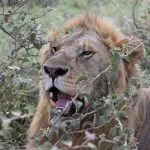
Lions: Spotting them is nearly guaranteed. Arrive early to see prides lounging in open plains. Pro tip: Mornings mean sleepy cubs play-fighting—pure cuteness overload.
Leopards: Elusive and stealthy, they hide in acacia forests. Look closely—they’re masters of disguise. I once spent 20 minutes staring at what I thought was a branch… until it blinked!
Elephants: Don’t miss the “Big Tuskers” in Lerai Forest. Some tusks graze the soil—no exaggeration. These veterans have survived over 50 years in the wild!
Buffalos: Herds of thousands dominate grasslands. Watch them gather at watering holes—it’s wild theater. Pro tip: Stand downwind unless you enjoy hoof-splashed mud baths.
Black Rhinos: With 30-40 left, the crater is their lifeline. Spotting one feels like finding a living unicorn. Conservationists track them daily—these ancient giants are worth the effort.
A self-contained world of wildlife
Imagine 25,000 animals in a 2000 km² natural arena. Zebras, wildebeests, hippos, and hyenas laugh in the distance. This isn’t a safari—it’s evolution’s greatest hits on repeat. And the encore? Over 550 bird species thrive here. Lake Magadi glows pink with 1 million flamingos—nature’s neon sign saying “look at me.” Bring binoculars: kori bustards and lilac-breasted rollers await.
Why such exceptional wildlife concentration? The crater’s walls trap resources, creating a self-sustaining Eden. Water, food, safety—nature’s ultimate VIP lounge. Unlike Serengeti’s migrants, 7,000 wildebeests call this home year-round. Even hippos crowd the Gorigor Swamps, while hyenas shadow leopards in nighttime drama.
This isn’t just a safari. It’s a front-row seat to Earth’s rawest show. Ready? The lions are waiting—and trust me, they won’t judge if you scream when one stares you down. I did. (Shh, it’s a secret.)
Planning your perfect Ngorongoro safari: when to go and how to prepare
Decoding the seasons for the best experience
Picture this: a crater where lions stalk grasslands, elephants kick up dust clouds, and rhinos graze under volcanic cliffs. Sounds magical? Wait until you discover how seasons change the game. Let me break it down.
Feature
Dry Season (June-Oct)
Wet Season (Nov-May)
Wildlife Viewing
Excellent, animals gather at water sources
Excellent, lush scenery, baby animals
Crowds
Higher, peak tourist season
Lower, especially in April/May
Landscape
Dusty, golden-brown plains
Green, vibrant, and lush
Best for
Maximum animal sightings
Birdwatching, photography, avoiding crowds
Why does this matter? Dry season (June-Oct) gives you Big Five encounters on a silver platter—short grass makes spotting easier. But if you’re chasing solitude and baby animals wobbling on legs? Wet season (Nov-May) has your back. Ever seen a leopard cub chasing its tail in the rain? I have, and it’s pure joy!
My top tips for a seamless safari
Want to beat the tourist rush? Arrive before sunrise. I once watched a pride of lions devour breakfast while the morning mist still clung to the crater walls—pure magic. The early bird gets the lions here! Pro tip: Book a crater rim lodge for sunrise views—those first golden rays on the caldera are Insta-worthy.
Pro tip: Pack layers! Temperatures dip below 10°C at night even in dry season. Don’t ask me how I know—my teeth chattered through a glorious sunrise once. Check my complete Tanzania safari packing list for climate-smart essentials. Pro tip #2: Bring a waterproof jacket even in dry season—I learned the hard way when a sudden shower turned my khaki shorts into a mud masterpiece.
Here’s the secret sauce: Combine best time to visit with flexibility. I once got stuck in a minor rainstorm during wet season… only to witness thousands of flamingos turning Lake Magadi pink. Sometimes nature throws you a wildcard—roll with it! Bonus: Wet season makes the Maasai cultural tours extra special. I’ll never forget sipping chai with Maasai elders while rain drummed on their manyatta’s thatched roof—it felt like the land itself was blessing our journey.
Quick hack: Skip the 4×4 rental frenzy. Most lodges offer guided tours with expert drivers who spot camouflaged leopards like they’re neon signs. I once followed a ranger who spotted a leopard’s tail twitching behind a rock—something I’d have missed without his eagle eyes!
More than a game drive: unique experiences in the conservation area
After exploring the iconic Ngorongoro Crater, I discovered the Ngorongoro Conservation Area holds secrets far beyond its famous wildlife spectacle. This UNESCO World Heritage Site blends Big Five sightings with ancient human history, living Maasai culture, and natural wonders that’ll thrill adventurers more than spotting lions.
At a Maasai boma near Lodoare Gate, warriors in red shúkà cloaks welcomed me with high jumps and rhythmic chants. Inside a dung-plastered hut, I inhaled the earthy scent of cowhide mats while elders explained how they coexist with elephants and lions – their cattle bells chiming alongside hyena whoops at night. You can bead necklaces with Maasai women or join warriors in mock spear-throwing contests. For deeper immersion, learning about the Maasai of Tanzania reveals how they balance tradition with modernity, like selling handmade crafts to fund their children’s education.
Olduvai Gorge stunned me most. Mary Leakey’s discoveries here – 3.6-million-year-old hominin footprints and “Lucy” casts – make this the “Cradle of Humanity.” Walking through the boma-style museum, I traced replicas of Homo habilis fossils and stone tools that redefined human evolution. The gorge’s ochre-stained cliffs literally cradle humanity’s cradle, with interactive exhibits showing how our ancestors survived alongside prehistoric beasts.
Cultural Immersion: Share tea with Maasai families in living villages
Archaeological Discovery: Trace evolution at Olduvai’s open-air museum
Guided Hikes: Trek rim-to-rim with rangers through Empakaai’s forests
Bird Watching: Spot 500+ species like Fischer’s lovebird
For active explorers, sunrise hikes in Empakaai’s montane forests reveal views of Oldoinyo Lengai – the “Mountain of God” still smoking nearby. I’ll never forget watching pink flamingos mirror themselves in Empakaai’s soda lake, framed by sheer crater walls. Even Olmoti’s misty highlands deliver Hadzabe hunter-gatherers when you venture off-grid, where these ancient communities still hunt with poison-tipped arrows.
To go deeper, a side trip to Lake Eyasi reveals Africa’s last hunter-gatherer communities. Trust me – these experiences transform your Ngorongoro adventure into a multidimensional journey through time, where every flamingo-stitched lake and fossil-etched gorge reminds you that the real magic lies beyond the crater’s rim.
Ngorongoro and beyond: building your ultimate northern circuit safari
Ngorongoro and Serengeti: a perfect partnership
Ever wondered why travelers rave about Tanzania’s “Big Five” while chasing wildebeest herds? Let me explain: the Ngorongoro and Serengeti aren’t rivals—they’re the dynamic duo of African safaris. The Ngorongoro Crater feels like nature’s VIP lounge—a 20-kilometer-wide volcanic bowl crammed with 25,000 animals. Lions nap under acacia trees, rhinos dodge dust clouds, and hippos wallow in Lake Magadi. No need for binoculars here; you’ll spot elephants and leopards within hours.
Now picture the Serengeti as the ultimate drama stage. Its endless plains host the Great Migration, where 2 million wildebeest and zebras flee crocodile-filled rivers. While the Serengeti’s magic lies in its scale, Ngorongoro guarantees action. Perfectly complementary, right? I’ll never forget driving through the crater’s rim at dawn, watching fog lift to reveal a pride of lions stalking buffalo herds—a scene straight out of a documentary. Combining the crater with a Serengeti safari is like tasting Tanzania’s greatest hits in one trip.
Crafting your dream itinerary
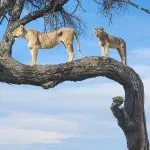
Ready to craft your dream? Start at Tarangire National Park, where baobabs tower like ancient skyscrapers. During dry seasons, elephants dig for water in cracked riverbeds—watch them dust off their trunks after slurping mud. Pro tip: Visit during sunrise when herds gather at Silale Swamp. Next, head to Lake Manyara National Park. Those tree-climbing lions? They’re real. I once saw a male snoozing lazily on a branch while his pride patrolled below—a surreal twist on typical savanna scenes.
My go-to route? Tarangire for baobab sunrises, then Ngorongoro’s wildlife jackpot, ending with multi-day Serengeti adventures. For drama, visit June-September when wildebeest plunge through Mara River. Budget-wise, mix luxury lodges on the crater rim with Serengeti tented camps. Bonus: Add Olduvai Gorge to your route. This “Cradle of Humanity” isn’t just dusty fossils—Maasai guides share stories while you sip chai overlooking where early hominins once roamed.
Ready for your own Ngorongoro adventure?
Let me tell you—nothing beats that first glimpse of the Ngorongoro Crater. One moment dusty roads, the next—you’re staring into a volcanic caldera bursting with lions lazing in grasslands, elephants trumpeting near swamps, and rhinos trudging through forests. This isn’t just a safari. It’s front-row access to Earth’s wild heart, where 30,000 animals roam within 260 km².
Why settle for ordinary? The crater’s closed ecosystem guarantees Big Five sightings—I’ve spotted all five in one morning! But here’s the secret: your guide matters. A stellar one knows where lions hide at sunrise, spots camouflaged rhinos, and serves chai from a thermos—those touches make the drive unforgettable.
If you’re feeling the call, I recommend a tour combining the Ngorongoro’s wildlife thrills with Lake Eyasi tribe visits. Hunt rhinos by day, sleep under galaxies at night, and swap stories with Maasai warriors who’ve lived alongside these giants for centuries.
Still hesitating? The crater’s 2,000+ wild residents won’t wait. Book a guide who knows hidden tracks, packs gourmet picnics, and tells tales that’ll leave you breathless. Grab your camera—Lake Magadi’s flamingos paint the water pink. This is your “unforgettable safari experiences” moment. No filters needed. Just raw, roaring, soul-stirring magic.
To provide the best experiences, we use technologies like cookies to store and/or access device information. Consenting to these technologies will allow us to process data such as browsing behavior or unique IDs on this site. Not consenting or withdrawing consent, may adversely affect certain features and functions.
Functional
Always active
The technical storage or access is strictly necessary for the legitimate purpose of enabling the use of a specific service explicitly requested by the subscriber or user, or for the sole purpose of carrying out the transmission of a communication over an electronic communications network.
Preferences
The technical storage or access is necessary for the legitimate purpose of storing preferences that are not requested by the subscriber or user.
Statistics
The technical storage or access that is used exclusively for statistical purposes.The technical storage or access that is used exclusively for anonymous statistical purposes. Without a subpoena, voluntary compliance on the part of your Internet Service Provider, or additional records from a third party, information stored or retrieved for this purpose alone cannot usually be used to identify you.
Marketing
The technical storage or access is required to create user profiles to send advertising, or to track the user on a website or across several websites for similar marketing purposes.