Kenya or Tanzania for your safari? a traveler’s dilemma
Ever struggled to choose between Kenya and Tanzania for your safari? Trust me, I’ve been there—watching zebras gallop past my tent in the Serengeti, only to scroll through a friend’s Amboseli snap with elephants silhouetted by Kilimanjaro, feeling utterly torn. This guide breaks down the kenya vs tanzania safari debate, from migration madness to rhino hotspots, so you can pick the adventure that sparks joy (and maybe a few goosebumps). Wondering where to catch the Great Migration’s wildebeest calving chaos or track elusive leopards? Spoiler alert: you can’t really lose, but let’s make sure your wallet and wanderlust both win.
Kenya or Tanzania for your safari? My personal guide to choosing your dream trip
Picture this: your first sunrise over the Serengeti, wildebeest herds thundering across golden plains — pure adrenaline, right? Then you hit Amboseli and see tuskers framed by Kilimanjario’s icy crown. Suddenly, choosing feels like picking between a symphony and a rock anthem. 🐘
Kenya and Tanzania share the Serengeti-Mara ecosystem but deliver wildly different shows. Think siblings: Kenya’s your practical cousin with Nairobi’s 24/7 game drives and Samburu’s “Special 5” (shoutout to those striped zebra cousins). Tanzania’s the wild card — Ngorongoro’s Big Five jackpot, Mahale’s chimp treks, Zanzibar’s spice-island chills. No “best,” just your vibe.
Quick hits:
Kenya = Road-trip flexibility (drive Nairobi to Mara in 5 hours), family-friendly lodges, and budget wins (until 2024’s park fee shakeup). Don’t miss Amboseli’s elephant mega-herds — 1,000+ strong at dry season!
Tanzania = Crowd-free Serengeti safaris, Ngorongoro’s “Big Five in one day” magic, and Zanzibar’s post-safari zen. Fly to Selous’ rivers for 48-hour elephant count records — 50,000+ in one sweep!
We’ll decode: – Why July’s Mara crossings = crocodile ambush theater (spoiler: 40% drown!) – Elephant kingdoms: Amboseli’s 1,500-strong herds vs Selous’ 50,000-strong river convoys – Safari traffic hacks: Tanzania’s remote parks = zero gridlock – Beach bliss: Zanzibar’s clove-scented Stone Town vs Lamu’s dhow-sail serenity – “Pinch me” moments: Serengeti balloon rides over wildebeest seas vs walking with Maasai in Tarangire’s baobab forests
No fluff. Just truths from someone who’s tracked lions in both countries and still gets goosebumps hearing elephants trumpeting at midnight. Ready to craft your Africa story? Let’s hunt those “leopard-on-a-baobab” moments. 🌍
The great wildlife spectacle: where and when to go
The great migration: a year-long journey across borders
Picture two million hooves thundering across the plains – that’s the Great Migration. As someone who’s tracked this drama from both sides of the border, let me break down where to be and when to go.
Tanzania hosts the show for most of the year. From January to March, I’ve watched baby gnus take their first steps in the Serengeti’s southern plains while predators lurk in the golden grasses. By July, the real action kicks off as herds charge through the Grumeti River – yes, crocodiles strike fast here – before reaching the Mara River in August. Trust me, nothing prepares you for the chaos of thousands of gnus plunging into churning water while hyenas circle.
Kenya steals the spotlight from August to October when the Mara River becomes the stage. I’ll never forget watching a herd hesitate for hours on the banks before plunging in – the dust, the splashing, the lions waiting on both shores. A Serengeti safari is the stuff of legends, and witnessing the migration there is a life-changing event. Pro tip: during Tanzania’s dry season (June-October), animals cluster around water sources making viewing easier – I once counted 50+ lions in one day in the Serengeti!
Your chances of spotting the big five
Want to complete your Big Five checklist? Tanzania’s Ngorongoro Crater is my go-to. Picture 30,000 animals trapped in this volcanic Eden – I’ve spotted lions lazing near the rim while rhinos, black and elusive, graze in the distance.
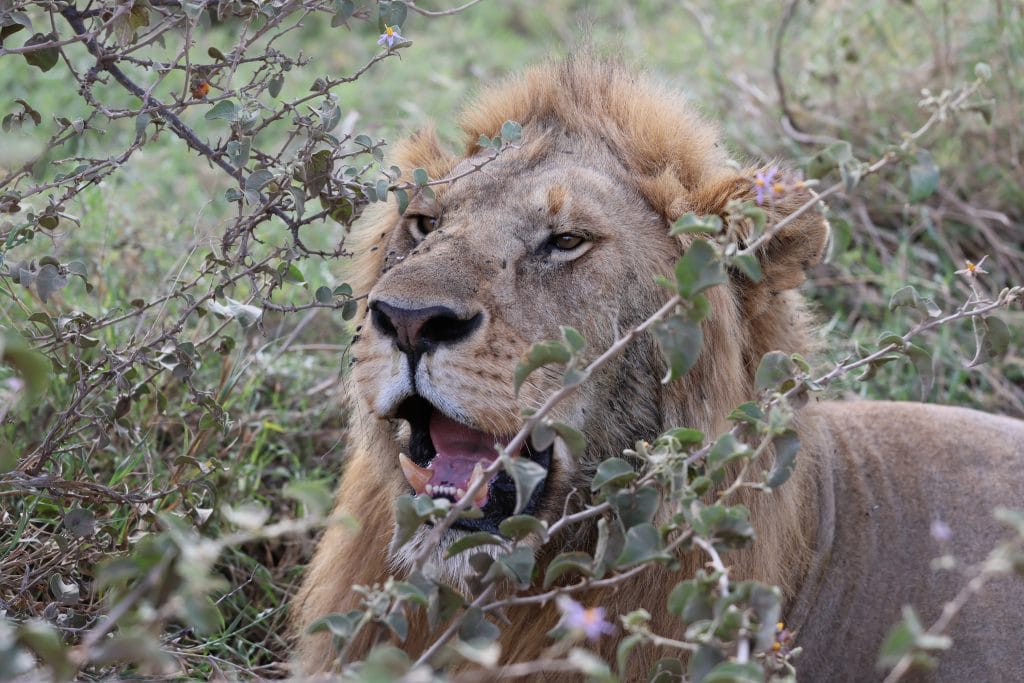
Kenya’s Lewa Conservancy surprised me with its rhino success story. Unlike Tanzania’s scattered sightings, Lewa guarantees encounters with both black and white rhinos. Don’t miss Nairobi National Park – watching rhinos graze with skyscrapers as a backdrop? Purely Kenyan magic. Bonus: Kenya’s lions show off better than Tanzanian prides – I’ve seen them climbing acacia trees in Tsavo East, a rare sight compared to Tarangire’s ground-bound lions.
Beyond the big five: unique animal encounters
Craving something beyond the checklist? Kenya’s Samburu Special 5 made me laugh at my guide’s nickname game – “reticulated giraffes with their puzzle-piece patterns, Grévy’s zebras looking like they overdressed for a party, and gerenuks standing on tiptoes to nibble acacia leaves.
Tarangire National Park? That’s where elephants rule. I have incredible memories from Tarangire National Park, where elephants reign supreme. During dry seasons, watch herds of 250+ elephants marching toward the Tarangire River – their secret trick? Digging water from baobabs with their trunks! For chimp treks, Mahale’s forests beat Gombe’s fame – I’ve followed habituated troops through misty mountains while Lake Tanganyika sparkled below. Unlike Jane Goodall’s Gombe chimps, Mahale’s troops show off more – I once watched baby chimps playfully chase each other through forest clearings for over an hour.
Safari vibes and park experience: crowded or exclusive?
Park crowding and the conservancy difference
Let me spill the beans: Kenya’s private conservancies aren’hui just about fewer jeeps – they’re wildlife playgrounds. Take Ol Pejeta’s Endangered Species Boma: you’ll high-five black rhinos and meet Sudan, the last northern white rhino (RIP 2018 – still iconic). Mara North Conservancy? 40% fewer vehicles than mainstream Mara, plus 4,000+ elephants roaming free. Try finding that elbow room in the Serengeti’s July frenzy.
Tanzania’s Serengeti plays the eco-purist – and I love it. No off-roading means you’ll share those Mara river crossings with 15+ jeeps, but hey, 2 million wildebeest deserve space! The Ngorongoro Crater’s 30,000 animals? Magical chaos. Book the Crater Highlands’ night drive though – the flamingo sunset over Lake Magadi will make you rethink your Instagram grid.
Conservancy superpower? Kenya’s got 40+ private reserves with 1,000x more flexibility. Walk with Maasai trackers in Sera Conservancy for rhino tracking, or chase leopards on horseback at Borana Lodge. Tanzania’s “conservancies”? Ngorongoro lodges follow national park rules – no night drives, no walking safaris. Your choice: Kenya’s choose-your-own-adventure or Tanzania’s eco-fortress where even lions follow the manual.
Landscape diversity and driving distances
Tanzania’s drama queen status? Earned. Serengeti’s endless plains morph into Tarangire’s baobab sentinels (some 1,000 years old!), then BAM – Lake Manyara’s soda lakes where pink flamingo carpets outnumber jeeps. Road trip warning: 6 hours from Tarangire to Serengeti. Pack your patience – those 4×4 journeys through Maasai villages become part of the story.
Kenya’s got landscape whiplash in the best way. Start with Kilimanjaro’s snow-capped views from Amboseli’s dust clouds, chase Samburu’s Special Five (Reticulated giraffes, Grevy’s zebras) through semi-arid hills, then dive into Nairobi National Park where skyscrapers frame rhino silhouettes. The secret weapon? 30-minute bush flights between parks. Skip the 8-hour Mara drive – sip champagne in the air while others fight dust clouds. And yes, Amboseli’s elephants love photobombing your Kilimanjaro selfies.
Coastal afterglow? Zanzibar’s spice tours + Stone Town alleyways vs Lamu’s Swahili architecture and dhow cruises. Both perfect for post-safari R&R, but Zanzibar’s 1,000km coastline beats Lamu’s tranquil simplicity for beach bums. Pro tip: time your safari with Kenya’s Great Migration (August-October Mara) or Tanzania’s calving season (January-March in Ndutu). And remember – Tarangire’s dry-season elephant herds (300+ at waterholes) make Amboseli’s dust-covered giants seem shy.
Big Five seekers, listen up! Tanzania’s Ngorongoro Crater gives you all five in one day – rhinos included (binoculars recommended). Kenya’s Lewa Conservancy? 14% of the country’s rhino population, with guided bush walks that’ll make your heart race. Pro tip: Serengeti’s lions outnumber Mara’s 2:1, but Kenya’s Sheldrick Trust lets you bottle-feed baby elephants. Your wallet or your wildlife fix – pick your poison.
The practical side: budget, logistics, and a quick comparison
Unpacking the cost: why is Tanzania generally pricier?
Let me tell you straight: Tanzania hits your wallet harder than Kenya. Why? Park fees here are sky-high—shelling out $80/day for Serengeti access versus Kenya’s $50/day in the Maasai Mara. Want to see Tarangire’s elephant herds or Ruaha’s lions? Brace for $350+ charter flights or a bone-rattling 8-hour drive from Arusha. Kenya’s parks? Compact and accessible. Nairobi to Amboseli? 5 hours max. Tanzania’s Serengeti to Ngorongoro? 9 hours of dust clouds or $400 for a 1-hour flight. Nairobi’s international flights and mid-range lodges? Kenya’s secret sauce for budget travelers.
Tanzania’s infrastructure outside the northern circuit? Sparse roads = more flights = pricier tickets. Self-driving? Don’t bother—park fees and accommodation eat 70% of your budget. Kenya’s conservancies like Ol Pejeta (rhino tracking) or Naboisho (leopard safaris) offer private game drives without breaking the bank. And those $1,000/night Ngorongoro lodges? Kenya’s top-tier spots? $600/night feels like a bargain.
For a deeper dive, I’ve broken down the Tanzania safari cost so you know where every dollar vanishes.
Your at-a-glance comparison table
Feature
Kenya
Tanzania
Cost
Generally more affordable
Generally more premium/expensive
Migration Peak
August – October (River Crossings)
All year, with Jan-Mar calving season
Big 5 Visibility
Good, excellent for rhinos in specific conservancies (Lewa)
Excellent, especially reliable in Ngorongoro Crater
Park Vibe
More private conservancies, exclusive activities (night drives, walks)
Vast, wild, more regulated national parks
Landscape
Iconic savannahs, Kilimanjaro views from Amboseli, arid north
Need the cheat sheet framed on your wall? This table’s your safari crystal ball. Kenya wins for budget hunters and families. Tanzania? The raw, untamed beast for migration chasers. But here’s the kicker: skip Zanzibar’s post-safari bliss for Lamu’s Swahili charm—14th-century ruins, dhow cruises—and save $$ while getting that ocean fix. Both let you chase the Great Migration: Kenya’s August-October river crossings (drama central!) or Tanzania’s calving season (January-March baby showers). Pick your adventure—just don’t skip the spice markets in either port town.
Beyond the jeep: cultural connections and beach extensions
Cultural encounters: meeting the people of east africa
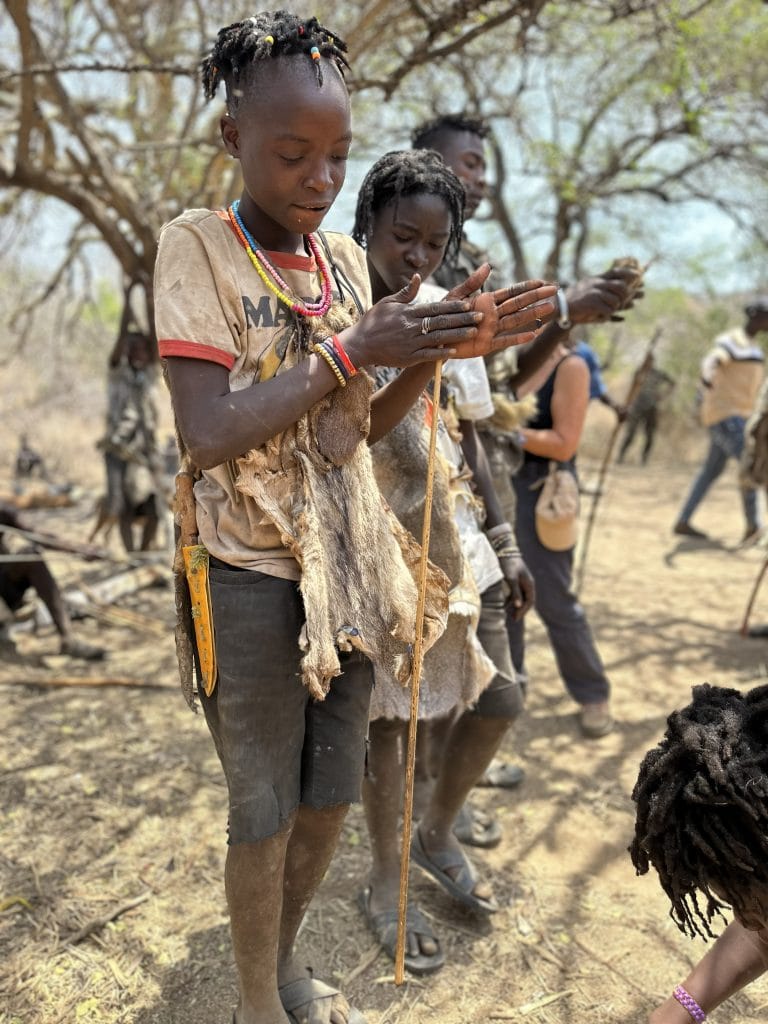
Let me tell you, safaris aren’t just about spotting lions. When I visited Tanzania, I got the chance to hunt with the Hadzabe – yes, the last hunter-gatherers in Africa! Imagine learning how they track animals with bows and arrows while barefoot in the bush. Pure adrenaline!
In Kenya, my heart melted at the Giraffe Centre near Nairobi. Feeding Rothschild’s giraffes felt surreal – those long tongues licking my palms! The Sheldrick Wildlife Trust blew me away too; watching baby elephants play during their midday mud baths was pure magic.
Unique to Tanzania: Authentic cultural immersion with tribes like the Hadzabe and Datoga, offering a glimpse into ancient lifestyles.
Unique to Kenya: World-renowned conservation centers near the capital, like the Sheldrick Wildlife Trust for orphaned elephants and the Giraffe Centre for an up-close encounter.
Learning about the Maasai of Tanzaniachanged my perspective. Their resilience through land losses and cultural preservation efforts made me appreciate East Africa’s heartbeat.
From bush to beach: zanzibar vs the kenyan coast
Zanzibar? More like ZANZI-BEAUTIFUL! Landing there felt like stepping into a postcard. Stone Town’s narrow alleys whispered centuries of spice trade secrets. I still dream about those white-sand beaches where sunset dhow cruises make you feel like royalty.
Kenya’s Lamu surprised me – zero cars, just donkeys and Swahili vibes. Imagine sipping coconut water in a 12th-century town where coral stone houses glow under Arabian lanterns. Diani Beach? Think endless powdery sands with kite-surfing paradise!
Tanzania’s Star: The iconic island of Zanzibar, perfect for history buffs, divers, and those seeking that classic tropical paradise vibe. Check out these Serengeti & Zanzibar routes for inspiration.
Kenya’s Gems: The award-winning Diani Beach for resorts and activities, or the historic, laid-back island of Lamu for a unique Swahili cultural experience.
Choosing between these coastal wonders? Zanzibar’s history hooks history lovers, while Lamu’s tranquility wins over culture seekers. Diani satisfies resort junkies – no wrong answers here!
So, which one is for you? My final thoughts
Alright, after diving deep into what makes each destination special, let’s cut to the chase. Kenya and Tanzania both deliver magic—but your dream safari depends on what makes your heart race. Ready to decide? Let’s break it down!
Choose Kenya if: you’re a first-time safari-goer, traveling with young kids, watching your budget, or craving unique activities like night drives and walking safaris. Picture fewer crowds in private reserves and family-friendly camps where your little explorers can safely spot lions.
Choose Tanzania if: you’re a safari purist chasing raw wilderness, dying to witness the wildebeest calving season (January-March), or itching to meet tribes like the Hadzabe, Tanzania’s last hunter-gatherers. Think endless Serengeti skies and Ngorongoro’s “Garden of Eden” vibes.
Still torn? Why not have your cake and eat it too? A transfrontier safari lets you sip Kenyan sunsets over the Maasai Mara and chase Tanzanian sunrises in the Serengeti. Just know: crossing at Isebania requires solid logistics—changing vehicles/drivers is par for the course.
Whichever you pick, you’re in for a wild ride. Kenya’s got your back for accessibility and value, while Tanzania serves up bucket-list moments like the Big Five in Ngorongoro or chimp treks in Mahale. And hey—if you’re bringing the crew, these family safari tips for Tanzania will be your new best friend.
Honestly? I’ve fallen for both countries hard. Kenya’s energy feels like a lively dance with nature—it’s your first crush. Tanzania? That’s the soulmate kind of love—deep, quiet, and utterly transformative. So take a deep breath, pick your adventure, and let Africa rewrite your story. You won’t regret it. I promise.
Choose Kenya for first-timers, budget travelers, or night drives in Masai Mara’s conservancies. Tanzania delivers Serengeti’s migration, Ngorongoro’s Big Five, and Hadzabe cultural immersion. Blend both: Kenya’s accessibility + Tanzania’s wild landscapes = East Africa’s ultimate safari. 🌍✨
To provide the best experiences, we use technologies like cookies to store and/or access device information. Consenting to these technologies will allow us to process data such as browsing behavior or unique IDs on this site. Not consenting or withdrawing consent, may adversely affect certain features and functions.
Functional
Always active
The technical storage or access is strictly necessary for the legitimate purpose of enabling the use of a specific service explicitly requested by the subscriber or user, or for the sole purpose of carrying out the transmission of a communication over an electronic communications network.
Preferences
The technical storage or access is necessary for the legitimate purpose of storing preferences that are not requested by the subscriber or user.
Statistics
The technical storage or access that is used exclusively for statistical purposes.The technical storage or access that is used exclusively for anonymous statistical purposes. Without a subpoena, voluntary compliance on the part of your Internet Service Provider, or additional records from a third party, information stored or retrieved for this purpose alone cannot usually be used to identify you.
Marketing
The technical storage or access is required to create user profiles to send advertising, or to track the user on a website or across several websites for similar marketing purposes.