Dar Es Salaam: History & islands in Tanzania’s coastal city
Thinking Dar es Salaam is just a dusty stopover before Zanzibar or a safari? Think again! This dar es salaam travel guide isn’t just about ticking off beaches or islands—it’s your passport to a city that blends chaotic charm with coastal magic. From chasing sunsets at Coco Beach to decoding Swahili street food slang in Kariakoo Market, you’ll unearth hidden gems—ancient fossils at the National Museum or Kivukoni’s colonial architecture. Dar’s messy heartbeat—where dala-dalas honk through palm-fringed streets and ocean breezes mix with spicy mishkaki aromas—is the ultimate warm-up act for Tanzania’s wild soul. Ready to swap “just passing through” for “why didn’t I stay longer?”
So, You’re thinking about Dar Es Salaam? Let me tell you why you should stop thinking and start packing!
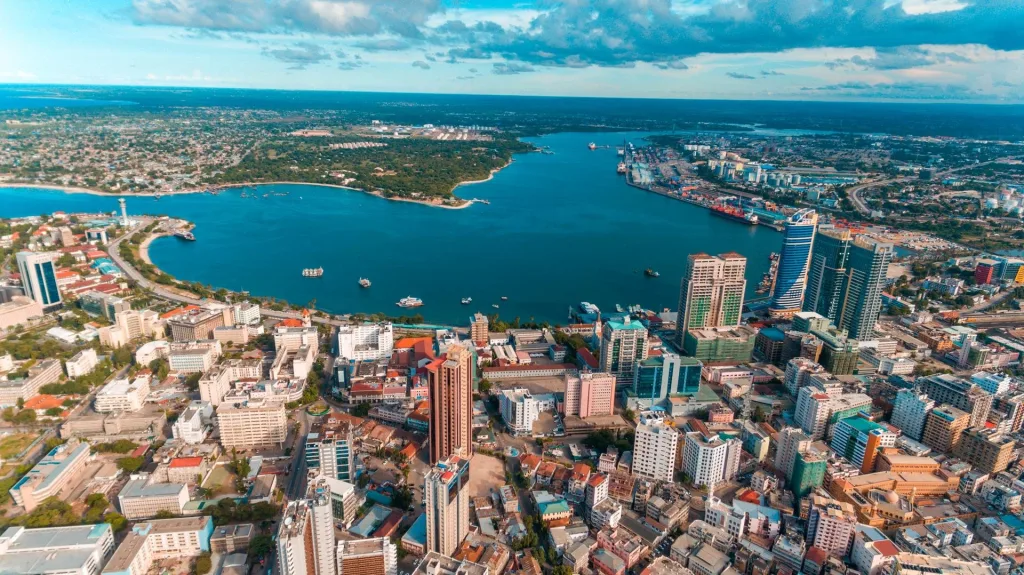
I remember my first time in Dar Es Salaam. The usual warnings—”Don’t stay long, it’s just a dusty transit point!”—missed the plot twist. Dar isn’t a pitstop; it’s a vibrant mix of skyscrapers, spice markets, and palm-fringed beaches where the ocean glows turquoise. Think East Africa’s underdog city: scrappy, sun-kissed, ready to surprise you.
Founded in 1862 by the Sultan of Zanzibar, Dar Es Salaam (“Haven of Peace” in Arabic) wears its history openly. Colonial German churches, British-era buildings, and Swahili mosques reveal a city shaped by diverse cultures. Though no longer Tanzania’s political capital, it’s the economic engine powering regional trade. Feel that energy—from Kariakoo Market’s chaos to the sleek Central Business District towers.
But here’s the kicker: Dar isn’t just boardrooms. The Indian Ocean laps at your doorstep—sip coconut water on Coco Beach as dhows glide by, or watch sunsets from Msasani rooftop bars. Thriving on contrasts—chaos and calm, old and new, urban grit and coastal dreams—it’s your gateway to Zanzibar’s spices, Mikumi’s savannahs, and hidden islands with empty white-sand beaches. Let me show you how to blend city life with island escapes.
Let me be your guide to Dar Es Salaam’s historic sites, beachfront chills, and insider tips. Ready to rethink Tanzania’s boldest city? Let’s dive in.
A little trip down memory-lane: Dar’s captivating history
Before Dar es Salaam’s modern skyline, this coastal gem began as Mzizima – a 19th-century Swahili fishing village meaning “Healthy Town.” Envision Arab traders and Zaramo locals unknowingly shaping Tanzania’s future economic powerhouse near what’s now Africa’s busiest port.
In 1862, Sultan Seyyid Majid of Zanzibar transformed this harbor into Dar es Salaam (“House of Peace”) through peaceful land purchases from Zaramo tribes. This “Haven of Peace” now handles 95% of Tanzania’s trade. The name might even derive from “Dari” (terrace) and “Salaam” (safe rest) – fitting for a coastal sanctuary!
Colonial eras followed: Germans made it their East African capital (1891-1916), building the Central Line railway that boosted commerce. British rule added neoclassical touches while preserving German landmarks like Azania Front Lutheran Cathedral’s distinctive tower. Today’s architecture reveals this layered history – Swahili coral buildings mingle with Gothic churches, Indian facades blend with colonial structures.
Though Dodoma became Tanzania’s political capital in 1973, Dar es Salaam remains the beating heart. Dubbed the “City of Contrasts,” it bridges traditional markets with modern skyscrapers, serving as East Africa’s gateway to island escapes and safari adventures. From humble fishing village to economic powerhouse with 5.4 million residents – now that’s a transformation worth raising a kahawa toast to!
What to see and do in Dar es Salaam: my city highlights
Diving into the heart of the city
Let’s start with the chaos of Kariakoo Market—because if you haven’t been jostled by a goat and a spice merchant, are you even in Tanzania? The stalls explode with color: mounds of saffron turmeric, bolts of kitenge fabric that could make a fashionista weep, and the sound of haggling that’s part negotiation, part performance. Pro tip: wear closed shoes unless you fancy a dance with a suspicious puddle of goat blood.
Kariakoo Market: For a full sensory immersion into local life.
National Museum of Tanzania: To journey through the country’s rich history.
Askari Monument: A poignant reminder of World War I history.
St. Joseph’s Cathedral: To admire stunning colonial architecture.
Makumbusho Village Museum: To explore Tanzania’s diverse traditional lifestyles.
The National Museum? A goldmine for history buffs. I spent hours ogling fossils from Olduvai Gorge—those bones are older than your last relationship drama. Don’t miss the vintage cars out front; they’re like a time machine with a dusting of rust. Nearby, the Askari Monument’s bronze Askari soldier still stands tall, a silent witness to Dar’s colonial past. And yes, St. Joseph’s Cathedral? That baby-blue façade will make you question why all churches aren’t this photogenic.
Sun, sand, and sea: Dar’s beaches and islands
Coco Beach isn’t where you come for a dip—it’s where you come to people-watch while sweating through your linen dress. Locals grill mishkaki (spicy meat skewers) on open fires, and the air smells like a BBQ party gone global. But here’s the twist: charter a dhow from Slipway to Bongoyo Island, where turquoise water slaps the shore like nature’s own infinity pool.
Bongoyo Island: The classic choice, perfect for snorkeling and enjoying fresh seafood from a beach banda (hut).
Mbudya Island: Slightly more frequented but equally beautiful, with crystal-clear water and white sand.
Sinda Island: The ultimate deserted island experience for total peace and quiet, often you’ll be the only one there!
Kigamboni’s Kipepeo Beach? My secret escape. Rent a kayak and paddle past fishermen in dugout canoes—they’ll wave as you flail in the water. For true castaway vibes, Sinda Island’s got no Wi-Fi, no crowds, just you and the sound of waves. (Spoiler: I accidentally texted “LOL” to a seagull. He didn’t reply.)
How long should you stay in Dar? my personal recommendations
The 24-hour whirlwind tour
Can Dar es Salaam fit into 24 hours? Only if you sprint! Start at Kivukoni Front Street, where 19th-century architecture whispers the city’s origins as a “village of peace” (Dar es Salaam translates to this!). Snap the Askari Monument, then dive into Kariakoo Market’s chaos—haggle over fabrics and spicy mishkaki skewers for a crash course in local energy.
Pro tip: Save room for sunset at Coco Beach. Watch locals and expats swap stories over grilled lobster at carts. Traffic’s brutal, but one day proves Dar’s magic isn’t about checklists—it’s about soaking up its soul.
The perfect 3-day immersion
Three days? Now we’re talking! Day one: geek out at the National Museum of Tanzania. That dusty Stone Town display? A time machine. Then wander to Old Boma—a building older than your grandma’s cookbooks—and refuel with pilau rice at Mamboz Corner (their fiery chili sauce is worth the tears).
Day two: steal my Bongoyo Island hack. At 8 AM, catch a dhow from Slipway Marina. Snorkel with parrotfish in crystal-clear waters, nap on sand whiter than your phone screen. Back in the city, toast sunsets at The Sea Cliff’s infinity pool—Oyster Bay’s views are Insta-worthy.
Day three: embrace Kigamboni Ferry’s $0.20 magic. Watch fishermen haul nets, then bargain for batik-print dresses in Masaki. Warning: those prints multiply in your luggage.
5 days or more: becoming a local
Five days? Time to live like a Dar local. Day four: lose an hour at the Village Museum. I’ve danced in Maasai robes, learned banana beer’s sacred role, and tasted mkate wa moto flatbreads in Kisutu alleys.
Day five: chase lions at Mikumi National Park—a 4.5-hour drive worth every minute. I’ll never forget elephants wading through Mkata plains while sipping safari gin. Splurge on a mid-range lodge—waking to hippos grunting? Priceless.
Pro move: Rent a motorbike! Weave through colonial Kisutu, snack on flatbreads, and don’t miss Friday taarab music at the Dhow Countries Music Academy.
Where to stay in Dar es Salaam: a neighborhood-by-neighborhood guide
Choosing where to stay in Dar Es Salaam isn’t just about picking a place to sleep—it’s about syncing with the city’s pulse. As Tanzania’s former capital turned economic powerhouse, this coastal metropolis blends urban energy with multicultural flair. Whether you’re chasing history, beaches, or safari gateways, your neighborhood shapes the adventure.
Neighborhood
Vibe
Best for
Price range
Msasani Peninsula (Oyster Bay & Masaki)
Upscale & Secure
Expats, families, luxury seekers
Mid-range to High-end
City Centre (Kivukoni & Kisutu)
Bustling & Central
Sightseers, business travelers
Budget to High-end
Kigamboni
Laid-back & Beachy
Beach lovers, budget travelers
Budget to Mid-range
Near the Airport
Convenient & Practical
Transit travelers, early flights
Budget to Mid-range
The Msasani peninsula (Oyster Bay & Masaki): chic and secure
Msasani’s palm-lined streets and expat enclaves deliver security and polish. Sea Cliff Hotel’s infinity pool practically floats above the Indian Ocean—skip the Asian restaurant, but sip sunset cocktails at The Slipway’s open-air bars. Protea Hotel by Marriott nails modern minimalism with rooftop pools and 360-degree views. Pro tip: Book early—renovation updates pop up like clockwork.
The city centre (Kivukoni & Kisutu): in the heart of the action
Base here to walk to the National Museum’s tribal artifacts or chase the spice-scented chaos of Kariakoo Market. Hyatt Regency Dar es Salaam blends elegance with port views—perfect for post-museum relaxation. For budget stays, Best Western CBD nails accessibility. Pro tip: Book airport transfers in advance—traffic here clings like humidity on your skin.
Kigamboni: the quiet beach escape
Reach Kigamboni by ferry for a low-key beach vibe. Kijiji Beach Resort serves fresh octopus curry and direct sand access. Pro tip: Mosquitoes thrive here—pack repellent for twilight strolls. Bonus: Ferries to Bongoyo Island leave from Kigamboni port for day-trip snorkeling adventures.
My top tips for a smooth trip to Dar
Staying safe, healthy, and smart
Be street-smart: Dar’s energy is contagious, but save solo strolls for daylight. Keep gadgets tucked away – I learned this the hard way at Kariakoo market. Wear bags front-pocket style in crowded minibuses.
Health first: Pack DEET-based repellent – Dar’s mosquitoes mean business. I swear by Tanzanian spice markets for natural citronella sprays. Pro tip: Carry a reusable water bottle with a built-in filter for safe hydration.
Bargain with a smile: Haggle like negotiating with your favorite uncle. At Mwenge market, I scored a handmade basket for half price by laughing at my Swahili fails. Vendors reward compliments with better deals.
Save on transport: Little oungan and Zuarid apps give fixed fares. Dala-dalas are chaotic – trust me, my hair never recovered! Negotiate shared rides with hotel staff – I split a 10k shilling trip to Coco Beach this way.
Eating your way through the city
Forget Michelin stars – Dar’s street food is the real deal. At Kivukoni Ferry Terminal, grab coconut-crusted samosas straight from the fryer. Craving something sweet? Hunt for “viazi karai” (spicy fried plantains) at Msasani night market. Mama Lulu’s roadside Posta General stall serves nyama choma (grilled goat) with pili-pili chili sauce that beats my Swahili skills.
Craving fine dining? The Slipway’s sunset cocktails pair perfectly with coconut curry prawns. Follow Kariakoo market crowds at 5pm – biryani smells lead to the best vendor. Don’t miss sweet potato fries with tamarind sauce – Dar’s answer to fries!
Connecting with the culture
Want locals to adopt you? Master “Habari yako?” (How are you?) and “Pole, hapa!” (Sorry, here!). Tanzanians love effort over perfection. At Oyster Bay, my butchered “mzuri sana” (very good) over passionfruit juice earned a free dance lesson.
Dressing modestly is practical. Jeans at Kunduchi Water Park taught me that! Opt for breezy cotton tunics or “kanga” wrap skirts. For men, linen shirts are breezy and respectful. Borrow cotton headscarves at Central Masjid – doubles as souvenirs.
Join Sunday yoga at Msasani Marina for expat-local mingling over coconut water. Master “Shikamoo!” (respectful greeting) from the Swahili phrase guide – used it to score VIP treatment at a Kinondoni bead workshop.
Getting to and around Dar es Salaam: a practical guide
Arriving in the haven of peace
Let me tell you a secret: landing at Julius Nyerere International Airport (DAR) feels like opening a treasure chest. This bustling hub connects you to global destinations and local adventures—think Zanzibar’s spice markets or Arusha’s safari gateways. Watch the skyline sparkle as you descend—those high-rises house Tanzania’s booming tech scene! Pro tip? Book that airport transfer before your plane touches down. Trust me, fighting Dar’s chaos with a suitcase isn’t your best look. Pro tip #2: Grab a sim card from local providers like Vodacom—they’ll keep your Bolt app alive for spontaneous beach runs.
Navigating the city’s organized chaos
Want to play local like a pro? Buckle up for Dar’s transport rollercoaster. Taxis? Sure, but skip the price dance—grab Uber or Bolt (yes, they’re here!) and watch the meter save your sanity. Feeling adventurous? Dive into a dala-dala. Warning: these minibuses pack humans like sardines. Pro tip: Download the Ally app—it maps 243 routes! Now picture this: during rainy seasons, half the city turns into Venice meets Mad Max. Ally’s flood alerts? Your new best friend.
For speed demons, boda-bodas scream freedom—but wear that helmet, or you’ll meet Dar’s infamous potholes the hard way. Now, the real MVP? The BRT system. Picture this: dedicated lanes slicing through traffic chaos. Swipe your card (buy it at stations!) and laugh at gridlocked cars below. Pro tip? Phase II’s coming soon—those 19 km from Kilwa to Kawawa will finally connect the southern suburbs. Until then, add 30% extra travel time—Dar’s traffic’s favorite party trick is surprise jams.
Ready to become a transport wizard? Master Tanzania’s transport jungle—from sandal-clad dala-dala rides to safari flights. Just don’t skip the sunscreen. Trust me, Dar’s sun’s got zero chill. And hey, if you survive rush hour without screaming “Haraka haraka!” you’re officially a local. Welcome to the chaos, darling.
My final thoughts on the incredible Dar es Salaam
I still remember my first sunset at Coco Beach, where the sky became a canvas of oranges and pinks as locals grilled mishkaki. Dar es Salaam isn’t just a pit stop before Zanzibar or a safari—it’s a city that surprises with its soul. Chaotic yet charming, loud but warm.
Get lost in Kariakoo Market’s spice-filled aisles, or fall for Nyumba ya Sanaa’s Tingatinga art. The Village Museum’s traditional Tanzanian homes reveal more about the country’s 120+ ethnic groups than any guidebook ever could.
Craving a beach escape? Kigamboni’s serene shores or Bongoyo’s snorkeling spots will make you question why you ever chose Zanzibar over this gem. And Mamboz Corner’s pilau chicken—pure flavor magic you’ll miss after leaving.
Yes, the traffic’s chaotic, and you’ll laugh when a daladala driver honks at a goat. But that’s Dar’s charm: it wraps you in “hakuna matata,” then steals your heart with relentless energy and coastal flair. This city isn’t just a gateway to Tanzania’s wonders—it’s one of them. Ready to swap “just passing through” for “never wanting to leave”? Dar’s waiting.
Dar es Salaam isn’t just a pitstop—it’s a pulse of Tanzanian soul! From chaotic markets to serene islands, colonial echoes to sunset dhow sails, this city wraps you in its warm, vibrant chaos. Let its rhythm surprise you. Pack your curiosity, ditch the guidebook, and dive in—the adventure starts here. Who’s ready? 🌊✨
To provide the best experiences, we use technologies like cookies to store and/or access device information. Consenting to these technologies will allow us to process data such as browsing behavior or unique IDs on this site. Not consenting or withdrawing consent, may adversely affect certain features and functions.
Functional
Always active
The technical storage or access is strictly necessary for the legitimate purpose of enabling the use of a specific service explicitly requested by the subscriber or user, or for the sole purpose of carrying out the transmission of a communication over an electronic communications network.
Preferences
The technical storage or access is necessary for the legitimate purpose of storing preferences that are not requested by the subscriber or user.
Statistics
The technical storage or access that is used exclusively for statistical purposes.The technical storage or access that is used exclusively for anonymous statistical purposes. Without a subpoena, voluntary compliance on the part of your Internet Service Provider, or additional records from a third party, information stored or retrieved for this purpose alone cannot usually be used to identify you.
Marketing
The technical storage or access is required to create user profiles to send advertising, or to track the user on a website or across several websites for similar marketing purposes.